What Are Layer 2 Solutions?

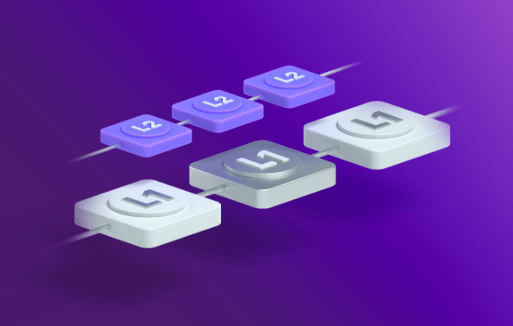
Layer 2 solutions are secondary networks that operate atop a base blockchain to improve scalability and efficiency. They process transactions off-chain or in parallel and periodically post summaries or proofs to the main chain. Bridges, rollups, and distinct security models enable faster payments, lower fees, and new governance models. Tradeoffs arise in finality, security, and decentralization. The different architectures—optimistic, zero-knowledge, and state channels—offer varied guarantees and complexities, inviting a careful assessment of use cases and implications for developers and users.
What Layer 2s Are and Why They Exist
Layer 2s are secondary blockchains or network protocols that operate atop a primary blockchain, typically to enhance scalability and efficiency. They enable Layer 2 governance, tokenomics design, airdrop strategies, and cross chain interoperability while addressing on chain privacy. Validator incentives, network decentralization, user onboarding, and developer tooling shape security auditing, fee models, liquidity fragmentation, upgrade paths, risk assessment, UX metrics, ecosystem funding, and regulatory compliance.
How Layer 2s Work: Bridges, Rollups, and Security Models
To understand how Layer 2s operate, one must examine the tripartite framework of bridges, rollups, and security models. This analysis outlines Bridge mechanics, Rollup validators, and security guarantees, emphasizing data availability and state channels as foundational constructs. It also notes liquidity fragmentation challenges, highlighting how bridging incentives affect throughput, cross-chain coherence, and resilience within diverse L2 architectures.
Layer 2 Options: Optimistic, ZK, and State Channels Compared
This comparison examines the primary Layer 2 modalities—Optimistic, ZK-rollups, and state channels—through a rigorous lens of performance, security, and usability trade-offs.
Optimistic concurrency emphasizes optimistic assumptions and fraud proofs, while zk assertion underpins concise validity proofs.
ZK-rollups optimize throughput; state channels prioritize interactive liveness.
Each modality weighs finality, dispute costs, and hardware requirements for freedom-respecting deployments.
Use Cases and Tradeoffs for Users and Developers
Assessing practical use cases and tradeoffs reveals how users and developers navigate performance, cost, and security considerations across Layer 2 modalities.
The analysis identifies scalability tradeoffs and their effect on throughput, latency, and capital efficiency, while preserving decentralization incentives.
For user experience, simplicity and reliability dominate, whereas developers weigh integration, tooling, and auditability to balance speed, interoperability, and long-term security guarantees.
See also: The Future of Clean Technology
Frequently Asked Questions
How Do Layer 2s Affect Onboarding for Non-Technical Users?
Layer 2s influence onboarding usability by simplifying UX and reducing fees, yet require user education on interoperability across chains, cross chain messaging, governance models, and upgrade cycles, while balancing privacy trade offs and data visibility.
What Are the Direct Costs of Using Layer 2s for Small Payments?
The direct costs of using layer 2s for small payments vary, yet often involve low transaction fees and minimal on-chain data. Fees may still incur marginal high fees and occasional slow confirmations during network congestion, affecting usability and expectations.
Can Layer 2s Interoperate Across Different Blockchains?
Layer 2s cannot seamlessly interoperate across blockchains due to interoperability challenges and fragmented standards; cross chain messaging remains imperfect, requiring adapters and bridges. They offer potential freedom but demand rigorous protocol alignment, governance, and security considerations across ecosystems.
How Do Governance and Upgrades Work on Layer 2s?
Governance models in layer 2s rely on predefined upgrade mechanisms and cross chain governance processes, balancing stakeholder input with protocol safety; fee schedules influence participation. Upgrades are staged, audited, and voted, maintaining autonomy while ensuring security and interoperability across chains.
What Are the Privacy Implications on Layer 2 Networks?
Layer 2 networks present privacy implications including potential data leakage through transaction metadata and operator telemetry; careful design of confidentiality features, access controls, and auditability is essential to mitigate privacy risks while preserving user autonomy and freedom.
Conclusion
Layer 2 solutions substantially relieve mainnet bottlenecks by processing transactions off-chain or in parallel, then submitting concise proofs or summaries for finalization. They leverage bridges, rollups, and distinct security models to balance throughput, cost, and security while addressing cross-chain interoperability and liquidity fragmentation. For developers, Layer 2s offer varied design patterns and tooling; for users, faster, cheaper transactions. Ultimately, they extend the blockchain’s reach, but come with tradeoffs in finality, trust assumptions, and ecosystem maturity. All in all, a rising tide lifts many boats.