Common Car Detailing Mistakes That Can Damage Your Vehicle

Car cleaning looks simple until something goes wrong. Many vehicle owners damage paint, stain interiors or waste money because they use the wrong products and techniques. The problem is not always laziness. Often, people copy advice from social media, use household cleaners or rush the job. Professional detailing exists because modern vehicles have many different surfaces, and each one needs proper care.
The first major mistake is using dishwashing liquid as car shampoo. Dish soap is designed to cut grease from plates, not protect automotive finishes. It can strip waxes and leave surfaces dry. A proper car shampoo is made for paint and is safer when used correctly. It provides lubrication so dirt can move away from the surface instead of being dragged across the paint.
Another common mistake is washing with a dirty sponge or one bucket. Dirt trapped in a sponge becomes abrasive. Every time it touches the paint, it can create light scratches and swirl marks. This is one reason many owners choose Mobile Car Detailing instead of doing everything themselves. A professional process uses cleaner tools, safer wash methods and more attention to contamination.
Cleaning in direct hot sun is another bad habit. Products can dry too quickly, leaving streaks, spots or residue. Hot panels make washing and polishing harder. Water can evaporate before it is properly dried, causing mineral spots on glass and paint. Whenever possible, exterior cleaning should be done in shade or controlled conditions. Adelaide’s strong sun makes this especially important.
People also underestimate wheels. Brake dust can be stubborn, so some owners reach for harsh chemicals or scrub aggressively with rough brushes. This can damage wheel finishes, especially on gloss, matte or delicate surfaces. Wheel cleaners need to be suitable for the wheel type, and agitation should be controlled. Clean wheels improve the whole vehicle, but careless wheel cleaning can become expensive.
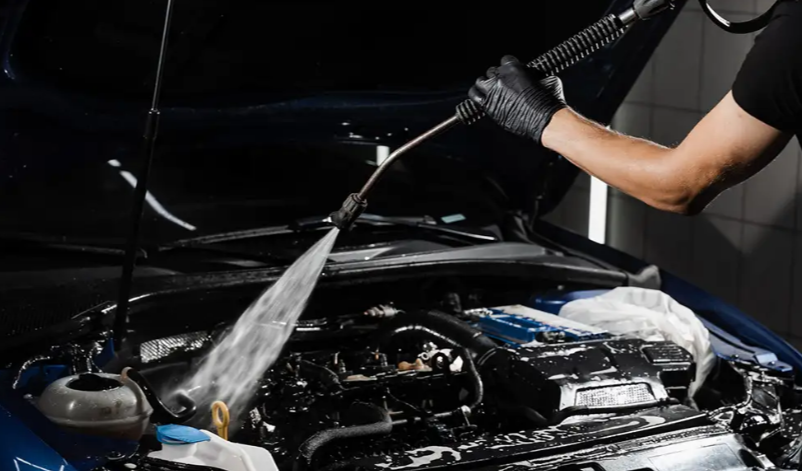
Interior mistakes are just as common. Household cleaners, strong degreasers and too much water can damage plastics, screens, leather and fabric. Some products leave shiny, greasy dashboards that attract dust and create glare. Others can discolour trim. A professional detailer chooses interior products based on the surface, not on whatever is available under the kitchen sink.
Over-wetting carpets and seats is a serious problem. When fabric is soaked without proper extraction and drying, moisture can remain deep inside. This may cause odours, mould or water marks. Shampooing is useful, but it must be done with control. More water does not mean better cleaning. Technique, extraction and drying matter.
Professional Car Detailing also avoids the mistake of polishing too aggressively. Machine polishing can improve gloss, but it removes a small amount of clear coat. Inexperienced polishing can leave holograms, burn edges or thin the paint unnecessarily. The goal should be safe improvement, not chasing every mark at any cost.
Using cheap microfibre towels badly is another issue. Microfibre is useful only when it is clean and suitable for the job. Towels dropped on the ground should not touch paint again. Fabric softener can reduce performance. Old towels with trapped grit can scratch surfaces. Different towels should be used for paint, wheels, interior and glass.
Air fresheners are often used as a shortcut for odours. They may smell strong for a few days, but they do not remove the source. If the car smells because of spills, damp fabric, smoke, pets or food, the surfaces need cleaning. Covering the smell is not a solution. Interior detailing aims to remove contamination instead of hiding it.
Skipping protection after cleaning is another missed opportunity. Once paint has been washed, decontaminated or polished, protection helps preserve the finish. Sealants and waxes make future cleaning easier and help reduce exposure to UV and grime. Leaving bare paint after a major clean means the vehicle can become dirty and dull again faster.
The final mistake is choosing a service only because it is cheap. Very low prices often mean rushed work, weak products or missing steps. Cheap detailing can become expensive if paint is damaged or interiors are left too wet. A good detailer is not just selling labour; they are selling judgement, process and care.
Avoiding these mistakes keeps a vehicle safer and better looking. Detailing is not complicated because cars are fragile; it is complicated because different surfaces need different treatment. When in doubt, professional help is smarter than experimenting on an expensive vehicle.
Extra Detailing Advice
A strong detailing routine should also match how the vehicle is actually used. A car that spends every day outside, carries children or pets, or travels through dusty roads will need more attention than a vehicle that is garaged and driven lightly. This is why a fixed one-size-fits-all schedule is not always sensible. Owners should look at the paint, wheels, glass and cabin condition, then choose the level of service that solves the real problem instead of paying for work they do not need.
It is also worth remembering that detailing is not only cosmetic. Clean glass helps visibility, clean touchpoints make the cabin nicer to use, and protected paint is easier to wash safely. These small benefits add up through daily ownership. When a vehicle is maintained consistently, it usually feels better to drive, looks better in photos and avoids the neglected appearance that can reduce confidence when it is time to sell or trade.
For best results, customers should communicate clearly before the appointment. Mention heavy pet hair, old spills, sand, smoke smell, sap, tar, mould or anything unusual. A detailer can plan the right products, tools and time when the condition is explained honestly. Clear expectations are better than guessing, especially when the vehicle needs more than a basic refresh.
FAQs
Can dish soap damage car paint?
It can strip protection and is not ideal for regular automotive washing.
Is machine polishing risky?
Yes, if done without skill. Poor polishing can create defects or remove too much clear coat.
Why does my car still smell after air freshener?
Because the odour source is still inside the cabin and needs proper cleaning.