Manufacturing Quality Considerations for Drip Chamber Production

For manufacturers producing IV administration sets, and healthcare procurement teams evaluating different supplier options, understanding the specific manufacturing quality factors affecting drip chamber reliability provides valuable context for both production quality control and informed purchasing decisions.
Dimensional Precision Affecting Drop Factor Consistency
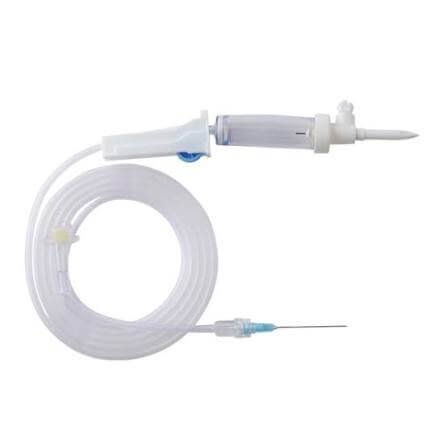
Achieving reliable, consistent drop factor performance depends on precise manufacturing control over internal drip chamber iv geometry, since even minor dimensional variation between production batches could introduce inconsistency into drop size and therefore drop factor accuracy, potentially affecting the reliability of manual flow rate calculations that clinical staff depend on.
Material Selection Balancing Multiple Performance Requirements
Drip chamber materials need to simultaneously satisfy several performance requirements, including optical clarity for reliable visual observation, appropriate flexibility supporting manual squeezing during priming procedures, and sufficient durability to maintain these properties throughout the product’s shelf life and clinical use period, representing a genuine material engineering balance manufacturers need to achieve.
Sterilization Process Compatibility
Since IV administration sets undergo sterilization as part of standard manufacturing, drip chamber materials need to maintain their optical clarity, flexibility, and structural integrity through this process without degradation, making sterilization compatibility validation an essential element of comprehensive material selection and manufacturing quality control.
Quality Testing Throughout Production
Reliable manufacturers maintain quality testing checkpoints throughout drip chamber production, including dimensional verification and material property confirmation, rather than relying solely on final product inspection, supporting earlier detection and correction of any manufacturing process deviations before they affect substantial production quantities.
Validating Air Filtration Feature Performance
For drip chamber designs incorporating integrated air filtration features, manufacturers need specific validation testing confirming this protective function performs reliably across the range of flow rates and use conditions the product is intended to support, ensuring this safety feature delivers genuine, dependable protection rather than merely theoretical function.
Consistency Across International Manufacturing Standards
Healthcare facilities sourcing IV administration sets internationally should verify that drip chamber components meet relevant quality and safety standards applicable to their specific regulatory environment, recognizing that manufacturing standards and testing requirements can vary somewhat across different international markets and regulatory frameworks.
Supporting Documentation for Procurement Evaluation
Manufacturers should provide clear documentation supporting drip chamber quality claims, including relevant testing data and any applicable regulatory certifications, giving healthcare procurement teams concrete information to evaluate rather than requiring reliance on general manufacturer assurances alone.
Conclusion
Reliable drip chamber manufacturing requires careful attention to dimensional precision, material selection balancing multiple performance requirements, and comprehensive quality testing throughout production. Healthcare procurement teams evaluating IV administration set suppliers benefit from understanding these manufacturing quality considerations when assessing potential product options.
FAQs
Q1: Why does dimensional precision matter for drip chamber drop factor consistency? Even minor variation in internal chamber geometry between production batches could introduce inconsistency into drop size and drop factor accuracy, affecting manual flow rate calculation reliability.
Q2: What multiple performance requirements must drip chamber materials satisfy simultaneously? Materials need optical clarity for visual observation, appropriate flexibility for manual squeezing during priming, and durability maintaining these properties throughout shelf life and clinical use.
Q3: What should healthcare procurement teams request when evaluating drip chamber quality? Request documentation including relevant testing data and applicable regulatory certifications, providing concrete evidence beyond general manufacturer assurances alone.