How to Build a Handmade Knife Collection Without Overspending

Building a handmade knife collection is an exciting way to appreciate traditional craftsmanship, unique blade designs, and high-quality materials without spending a fortune. Whether you are a beginner or an experienced collector, the key is to choose knives carefully, set a realistic budget, and focus on pieces that offer lasting value. Exploring the handcrafted designs at JW Steel Crafts can help you discover different blade styles, handle materials, and artistic finishes as you plan your collection.
You do not need dozens of expensive knives to create an impressive collection. A thoughtful selection of well-made pieces can offer more variety, character, and personal satisfaction than buying every knife that catches your attention. By understanding what makes a knife valuable and learning how to shop strategically, you can build a collection that reflects your interests while keeping your spending under control.
1. Set a Realistic Budget Before Buying Handmade Knives
The first step toward building a handmade knife collection is deciding how much you can comfortably spend. Handmade knives vary widely in price because of differences in materials, construction methods, craftsmanship, and design complexity.
Instead of purchasing several knives immediately, establish a monthly or yearly collecting budget. This approach helps you avoid impulse purchases and gives you time to research each potential addition.
Decide How Much to Spend on Each Knife
Divide your overall budget into smaller amounts based on your collecting goals. For example, you might reserve most of your money for versatile everyday designs while keeping a smaller portion for distinctive collector pieces.
Consider these budgeting principles:
- Set a maximum price before browsing.
- Compare several knives within the same price range.
- Account for shipping, taxes, and import fees where applicable.
- Avoid using emergency savings or borrowing money to purchase collectibles.
- Leave room in your budget for future opportunities.
A clear spending limit makes collecting more enjoyable because every purchase becomes a deliberate decision rather than an emotional reaction.
Focus on Quality Instead of Quantity
A handmade knife collection does not need to be large to be meaningful. Three carefully selected knives with different designs and purposes can provide more variety than ten similar pieces.
Look for consistent workmanship, appropriate materials, reliable construction, and a design that genuinely interests you. A higher price does not automatically guarantee better quality, so compare the actual features before deciding what a knife is worth to you.
2. Choose a Specific Theme for Your Knife Collection
One of the easiest ways to control spending is to establish a collecting theme. Without a clear direction, it is easy to purchase similar knives repeatedly or spend money on designs that do not fit your long-term interests.
A theme helps you identify which knives deserve a place in your collection and which purchases you can skip.
Collect Knives by Blade Style
Blade style is a useful starting point for new collectors. Each design offers a different appearance, history, and practical application.
Popular options include:
- Bowie knives: Recognized for their distinctive profiles and strong connection to American knife history.
- Hunting knives: Collected for their outdoor heritage, practical designs, and variety of blade shapes.
- Ranch knives: Often feature traditional Western styling and rugged materials.
- Folding knives: Appreciated for their compact construction, portability, and diverse designs.
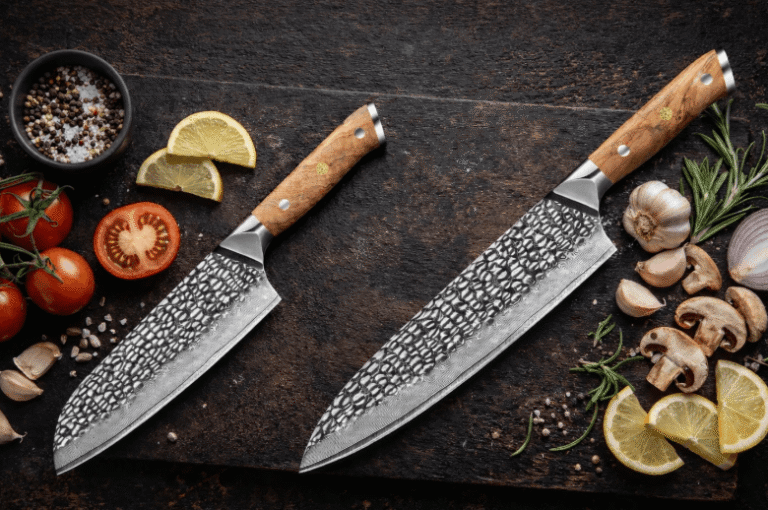
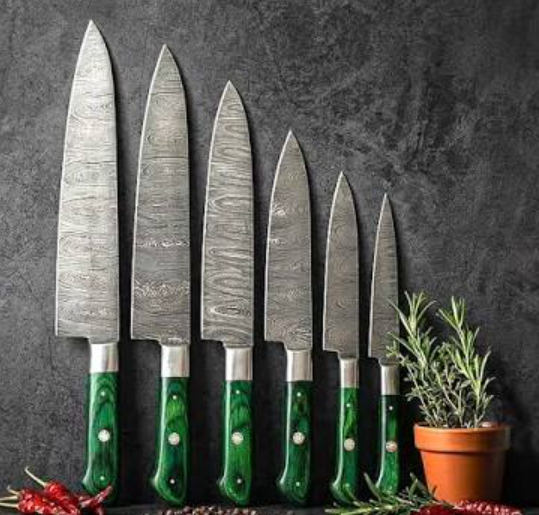
- Damascus knives: Known for their distinctive patterned steel and decorative appeal.
- Rasp steel knives: Interest collectors who appreciate repurposed materials and unconventional craftsmanship.
Choose one or two categories that appeal to you most. You can expand into other styles once your collection has a clear foundation.
Explore Different Handle Materials and Finishes
Handles can significantly influence a handmade knife’s appearance and collecting appeal. Wood, ram horn, bone, and other materials offer different textures, colors, and patterns.
Blade finishes also create variety. Some collectors prefer polished surfaces, while others appreciate etched patterns, rustic textures, or traditional Damascus designs.
Rather than buying several knives with nearly identical features, choose pieces that highlight different aspects of craftsmanship. This creates a more visually interesting collection without requiring a substantial budget increase.
3. Research Handmade Knife Makers Before Purchasing
Understanding the maker behind a knife can help you make better purchasing decisions. Experienced collectors often consider a maker’s reputation, consistency, materials, and documented craftsmanship alongside the knife’s appearance.
Before spending money, research the seller and examine the information available about the product.
Check Materials and Construction Details
Product descriptions should explain the blade steel, handle material, construction, and relevant dimensions. If the listing makes specific claims about steel performance or construction techniques, look for supporting details rather than relying on marketing language.
Pay attention to factors such as:
- The stated type of steel and its intended characteristics.
- The quality and fit of the handle.
- The consistency of the finish.
- The construction method and overall design.
- Available product photographs and specifications.
- Clear policies for shipping, returns, and customer support.
These details help you compare knives fairly, especially when two products have similar prices but different construction methods.
Compare the Maker’s Work Across Multiple Designs
Looking at several knives from the same maker can reveal useful information about design consistency and craftsmanship. Examine whether the finishes, handles, and blade profiles match the descriptions provided.
JW Steel Crafts offers a starting point for exploring handmade knife styles and comparing different designs. Reviewing its available products can help you understand which features matter most to you before committing to a purchase.
Remember that an attractive photograph alone cannot establish a knife’s performance or long-term value. Whenever possible, use detailed specifications, independent reviews, and clear seller policies to support your decision.
4. Start With a Small, Balanced Collection
Once you understand your budget and preferred styles, begin with a few carefully selected pieces. A balanced collection gives you room to explore different designs without spending too much on one category.
Your first purchases should establish the direction of your collection rather than attempt to cover every available knife style.
Choose One Signature Knife
Start with a knife that represents your main collecting interest. This could be a traditional Bowie design, a patterned Damascus piece, or a handmade hunting knife with distinctive handle materials.
Consider what makes the knife appealing to you. It might be the blade pattern, the maker’s craftsmanship, the historical design, or the combination of materials.
A signature piece provides a reference point for future purchases and helps you decide whether new additions complement your existing collection.
Add Variety Gradually
After choosing your first knife, look for a second piece that introduces a genuinely different feature. For example, you might select a traditional Western design after starting with a Damascus collector knife.
Your next purchase could focus on a different blade profile, handle material, or decorative finish.
This gradual approach offers several advantages:
- It prevents unnecessary duplication.
- It gives you time to understand your preferences.
- It makes each new purchase more meaningful.
- It spreads the cost of collecting over time.
- It reduces the temptation to buy items simply because they are discounted.
The goal is to build a collection with a clear identity, not to acquire the largest possible number of knives.
5. Look for Affordable Options Without Sacrificing Quality
Finding affordable handmade knives requires patience and comparison. Prices can vary considerably between sellers, and a lower price does not always mean a better deal.
Instead of searching only for the cheapest knife, look for a product that balances craftsmanship, design, materials, and price.
Browse Ready-to-Ship Handmade Knives
Ready-to-ship collections can be useful for collectors who want to compare available designs without waiting for a custom order. Depending on the seller, these knives may already be completed and available for dispatch.
You can explore the ready to ship knife collection at JW Steel Crafts to compare available styles and identify pieces that fit your budget.
Before purchasing, confirm the current price, availability, shipping terms, and product specifications. A ready-to-ship listing should still meet your collecting criteria rather than become an excuse for an unplanned purchase.
Compare the Total Cost of Ownership
The advertised price is only one part of the overall expense. Shipping charges, taxes, import duties, storage, and maintenance can increase the cost of owning a handmade knife.
When comparing two products, calculate the total amount you will pay to receive and maintain each piece.
For example, a knife with a slightly higher listed price may be more economical if it has lower shipping costs or includes a suitable protective sheath. However, compare the actual specifications before assuming one product offers better value.
Avoid Buying Something Just Because It Is on Sale
Discounts can make collecting more affordable, but they can also encourage unnecessary purchases. A knife is not a bargain if it does not match your interests or leaves you without money for more important expenses.
Before buying a discounted item, ask yourself three questions:
- Does this knife fit my collecting theme?
- Is the price competitive for its materials and craftsmanship?
- Would I still want it if the discount were smaller?
If you cannot answer these questions confidently, wait and research the product further.
6. Understand What Makes a Handmade Knife Valuable
Not every handmade knife becomes more valuable over time. Collecting should begin with personal interest and appreciation for craftsmanship rather than expectations of guaranteed financial returns.
Several characteristics can influence how collectors evaluate a knife.
Craftsmanship and Design
A distinctive design, clean finish, consistent construction, and attention to detail can make a knife appealing to collectors. Handmade pieces may also feature variations that distinguish them from mass-produced products.
However, handmade production alone does not guarantee superior quality. Examine the actual workmanship and compare it with similar knives.
Materials and Construction
Steel selection, handle materials, and construction methods can influence a knife’s cost and appeal. Some materials require more processing, while complex patterns or decorative finishes may involve additional labor.
Damascus steel, for example, is often appreciated for its visible patterns. Still, the quality of a particular blade depends on the materials, manufacturing process, and workmanship rather than its pattern alone.
Maker Reputation and Documentation
Reliable information about the maker, production process, and product specifications can improve confidence in a purchase. Documentation may also help distinguish one piece from another as your collection grows.
Keep product descriptions, receipts, maker details, and photographs together. These records help you track purchases and provide useful information if you later decide to sell or trade a piece.
7. Maintain Your Knives to Protect Your Investment
Proper maintenance helps preserve the appearance and condition of a handmade knife. It also reduces the likelihood that neglect will damage materials that may be difficult or expensive to replace.
Your maintenance routine should reflect the steel, handle material, finish, and storage requirements of each knife.
Clean and Dry Blades Properly
Moisture can cause corrosion on many types of steel, including some Damascus blades. After handling or cleaning a knife, dry it thoroughly according to the manufacturer’s care instructions.
Avoid harsh cleaning products unless the maker specifically recommends them. Some chemicals or abrasive materials can damage decorative finishes, handles, and protective coatings.
Store Knives in Suitable Conditions
Keep your collection in a clean, dry environment away from excessive humidity and temperature fluctuations. Avoid storing knives in damp leather sheaths for extended periods, as trapped moisture can encourage corrosion.
Use suitable protective cases, display stands, or storage solutions that prevent blades from rubbing against other objects. If you display your collection, position it securely and keep it away from children and unauthorized access.
Keep a Simple Collection Inventory
A collection inventory can help you monitor spending and maintenance needs. Record the purchase date, price, maker, materials, product details, and any maintenance performed.
You can use a spreadsheet or a notebook to track this information. Reviewing your inventory before purchasing another knife can also reveal whether you are buying too many similar designs.
8. Avoid Common Mistakes That Make Collecting Expensive
Even a modest collecting budget can disappear quickly if you purchase without a plan. Avoiding a few common mistakes can help you build a better collection over time.
Buying Too Many Similar Knives
Several knives with nearly identical profiles and finishes may offer little additional variety. Before buying another piece, consider whether it introduces a meaningful difference to your collection.
Ignoring Seller Policies
Unclear product descriptions, missing specifications, and unfavorable return policies can create avoidable problems. Review the seller’s terms before paying, especially when ordering internationally.
Assuming Every Handmade Knife Is Rare
Handmade products are not automatically rare or collectible. A limited production run, distinctive design, or documented maker history may matter, but rarity claims should be supported by credible information.
Neglecting Maintenance Costs
Cleaning supplies, suitable storage, protective cases, and occasional professional maintenance can add to the overall cost. Include these expenses in your budget instead of focusing exclusively on purchase prices.
Expecting Guaranteed Resale Profits
Resale prices depend on demand, condition, maker reputation, and other market factors. Do not buy knives with money you cannot afford to lose based on the assumption that they will appreciate in value.
9. Create a Long-Term Plan for Your Handmade Knife Collection
A simple collecting plan makes it easier to stay within budget while gradually developing a collection that reflects your interests.
Start by listing the styles you want to explore, then prioritize them according to your budget and preferences.
Set Collecting Goals for Each Stage
You might begin with a small group of knives featuring different blade styles or handle materials. Once you understand your preferences, you can focus on more specialized designs or pieces from makers whose work you appreciate.
Set one goal at a time rather than attempting to complete your entire collection immediately.
Review Your Collection Before Every Purchase
Before placing an order, review what you already own and identify any gaps. This encourages you to purchase with purpose rather than follow every new trend.
A useful rule is to wait a few days before buying an expensive knife. The pause gives you time to compare alternatives, verify specifications, and decide whether the purchase fits your budget.
Make Research Part of the Hobby
Reading about steel types, traditional blade designs, handle materials, and knife-making techniques can be as rewarding as purchasing new pieces.
The more you learn, the easier it becomes to recognize meaningful differences between products. Knowledge also helps you avoid paying extra for features that do not matter to your collecting goals.
10. How JW Steel Crafts Can Help You Explore Handmade Knife Designs
Choosing a reliable source for exploring handmade knives can simplify the research process. A collection becomes easier to plan when you can compare different styles, examine product specifications, and identify designs that suit your budget.
JW Steel Crafts offers handmade knife designs that collectors can explore while developing their personal preferences. Whether you are interested in traditional Western profiles, distinctive Damascus patterns, or different handle materials, comparing available designs can help you decide which pieces belong in your collection.
When browsing JW Steel Crafts, consider the following:
- Compare the specifications of similar knives before choosing one.
- Look for designs that add variety to your collection.
- Check current prices and product availability.
- Review shipping and return policies before ordering.
- Prioritize craftsmanship and personal interest over appearance alone.
You do not need to purchase every appealing design. A thoughtful approach allows you to appreciate the variety of handmade knife craftsmanship while keeping your spending manageable.
Frequently Asked Questions
1. How much money do I need to start a handmade knife collection?
You can start with a modest budget by purchasing one well-chosen knife and adding more over time. Your starting cost depends on the materials, design, maker, and shipping expenses. Set a spending limit that does not interfere with your essential financial responsibilities.
2. What are the best handmade knives for beginners to collect?
The best starting point depends on your interests. Traditional hunting knives, Bowie-style designs, folding knives, and Damascus collector pieces can all provide opportunities to learn about different styles and materials. Choose a category that interests you and compare product specifications before purchasing.
3. Are Damascus knives worth collecting?
Damascus knives can appeal to collectors because of their distinctive patterns and craftsmanship. However, value depends on the quality of the steel, construction, maker, design, and overall finish. A patterned blade is not automatically better than a well-made knife with a simpler appearance.
4. How can I find affordable handmade knives?
Compare multiple sellers, establish a price limit, and look for available ready-to-ship designs. Evaluate the total cost, including shipping and taxes, rather than comparing advertised prices alone. Avoid buying unnecessary pieces simply because they are discounted.
5. Should I buy custom knives or ready-to-ship knives?
Ready-to-ship knives can be convenient when you want to compare existing designs and know the listed specifications before purchasing. Custom knives may offer more control over materials and design but can involve additional costs and waiting time. Choose the option that best matches your budget and collecting goals.
6. Do handmade knives increase in value over time?
Some knives may become more desirable, but appreciation is never guaranteed. Maker reputation, condition, production numbers, demand, and documentation can influence resale value. Collect primarily for craftsmanship and personal enjoyment rather than relying on future profits.
7. How should I store a handmade knife collection?
Store knives in a dry, secure environment and protect the blades from moisture, scratches, and contact with other objects. Use suitable display cases or protective storage and follow the care instructions for each knife’s steel and handle materials.
8. How often should I maintain handmade knives?
Inspect your knives periodically and clean them after handling when needed. The appropriate maintenance schedule depends on the steel, environment, and storage conditions. Follow the manufacturer’s recommendations for cleaning, drying, and corrosion prevention.
Final Thoughts
Building a handmade knife collection without overspending is possible when you combine careful research, a realistic budget, and a clear collecting strategy. Start with a few pieces that reflect your interests, compare materials and craftsmanship, and expand your collection gradually.
Avoid impulse purchases, maintain the knives you already own, and keep records of your spending. Most importantly, focus on the qualities that make each piece meaningful to you rather than the number of knives you acquire.
With a thoughtful approach and a willingness to learn, you can develop a distinctive collection that celebrates handmade craftsmanship while keeping your finances in check. Exploring the available designs from JW Steel Crafts is one way to discover your preferred styles and plan your next addition with confidence.