Here’s How Physiotherapy Supports Recovery from Tennis Elbow

I’ll be honest, I always assumed tennis elbow was something you got from, well, tennis. Turns out, most people who come in with it have never picked up a racket. A few months back, a colleague of mine, an accountant who spends most of his day at a desk, started wincing every time he picked up his coffee mug. Diagnosed with lateral epicondylitis. Tennis elbow.
What actually works? Physiotherapy. Not in a vague, generic sense but properly structured rehab that addresses what’s actually broken down in the tissue.
So, What Is Tennis Elbow, Really?
The technical name is lateral epicondylitis, though some specialists now prefer the term tendinopathy since it’s less about inflammation and more about tendon degeneration. Basically, the tendons attaching your forearm muscles to the outer elbow get overloaded over time. Micro-tears build up. The tissue weakens. And because tendons have limited blood supply, they’re slow healers when left alone.
Repetitive strain is usually the culprit; it could be a sport, sure, but it’s just as often painting, cooking, construction work, or eight hours a day using a mouse. The movement pattern matters more than the activity itself.
What Does Physiotherapy Actually Involve?
This is where people sometimes expect a list of fancy equipment and high-tech treatments. The reality is a bit more grounded and more effective than what it suggests.
The starting point is a proper assessment. You don’t necessarily need to book an appointment with the best orthopedic surgeon in Dubai; a good physio would do the trick. They won’t just look at your elbow in isolation. They’ll check your wrist, shoulder, posture, how you sit, how you move. Tennis elbow often has contributing factors elsewhere in the chain.
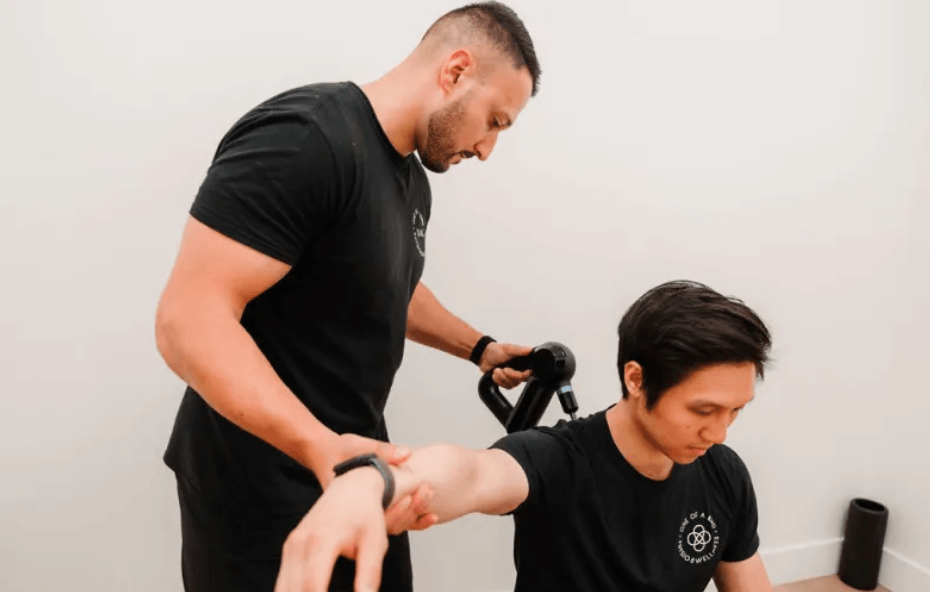
From there, treatment typically involves a few things working together. Manual therapy hands-on joint and soft tissue work helps with stiffness and circulation in the early stages. Then comes the part most people find surprising: exercise. Specifically, eccentric loading exercises, where the muscle works while lengthening. There’s solid research behind this for tendon recovery. It’s uncomfortable at first. But it’s one of the most reliable ways to rebuild the tendon’s capacity over time.
Where Sports Massage Fits In
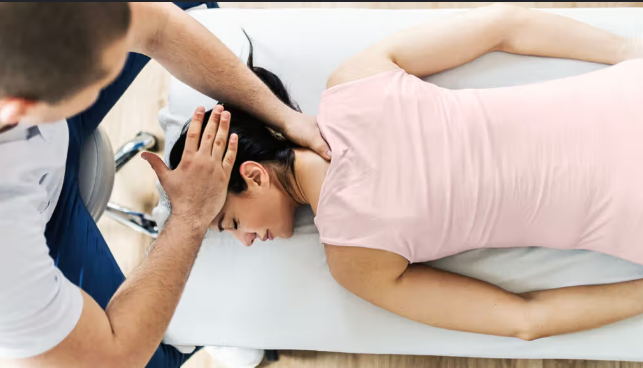
Sports massage is genuinely useful here, and not just for relaxation. The forearm muscles that attach to the affected tendon often build up significant tension and adhesions from months of overuse. Releasing that through targeted massage work reduces the load going through the tendon and helps the area respond better to the rehab exercises.
If you’re looking for the best sports massage Dubai offers alongside your physio treatment, it’s worth finding somewhere the massage therapists and physiotherapists actually communicate. That coordination makes a real difference to how quickly things progress.
When to Bring in an Orthopedic Doctor
Most people don’t need to see a surgeon. But there are situations where a referral to an orthopedic doctor in Dubai clinics can make sense, if the pain has been going on for six months or more with minimal improvement, if it’s severe enough to be waking you at night, or if imaging suggests something more structural is going on.
Even the leading specialists will often recommend a corticosteroid injection to settle acute inflammation before referring you back to the physiotherapy centre in Dubai. Surgery is genuinely rare and usually a last resort. Most cases, even stubborn ones, respond to conservative management when it’s done properly.
How Long Until It Gets Better?
This is the question everyone asks, and the honest answer is: it varies. Mild cases with early intervention — four to six weeks of consistent work. Chronic cases that have been left for months can take three to six months of proper physiotherapy for tennis elbow to fully resolve. The tissue has to be rebuilt. There’s no shortcut.
What I’ve seen make the biggest difference is whether people actually do the home exercises between sessions, and whether they’re willing to modify what’s aggravating it. Not stop entirely, just adjust. Load management, not avoidance.
See also: Health Insurance in Malaysia: What You Need to Know Before You Buy
A Few Things Worth Knowing Before You Start
It often gets slightly worse before it gets better, especially with the eccentric exercises. That’s normal. The tendon is being challenged in a new way.
Consistency matters far more than frequency. Two solid sessions a week with proper follow-through at home beats five sessions where you’re just going through the motions.
And finally, don’t wait too long. The longer tendon degeneration goes without proper loading and rehab, the harder it is to reverse. A few months of targeted physiotherapy for tennis elbow now is a lot better than a year of managing chronic pain later.
If you’re in Dubai and dealing with this, the good news is you’ve got access to solid clinics offering everything from the best sports massage Dubai has available, to experienced physiotherapists, to orthopedic doctor Dubai consultants, often all in one place. Get it looked at properly. Your elbow will thank you.