Common Causes of Pain in Women and How Chiropractic Care May Help

Women can experience pain for many reasons, from everyday muscle tension and poor posture to pregnancy-related changes, physical injuries, and chronic conditions. Pain may affect the back, neck, shoulders, hips, pelvis, or joints. For some women, discomfort is temporary. For others, recurring pain can interfere with sleep, work, exercise, and daily activities.
Finding the right approach often starts with understanding what may be causing the discomfort. Chiropractic care is one non-invasive option that may help some women manage certain types of musculoskeletal pain. Chiropractors focus on the relationship between the spine, joints, muscles, and nervous system and may use hands-on techniques, exercise recommendations, and lifestyle guidance as part of a personalized care plan.
However, chiropractic care is not appropriate for every type of pain. Serious or unexplained symptoms should be evaluated by a qualified medical professional first.
Common Causes of Pain in Women
Pain can have many causes, and women may experience some types of pain more frequently because of hormonal changes, pregnancy, physical demands, and differences in musculoskeletal health. Here are several common sources of discomfort.
See also: The Role of Technology in Shaping the Future
1. Lower Back Pain
Lower back pain is one of the most common forms of musculoskeletal discomfort. It can develop from prolonged sitting, poor posture, repetitive movements, lifting, muscle strain, or a lack of physical activity.
Women who spend many hours at a desk may experience additional stress on the lower back. Sitting for long periods can also cause the hip muscles to become tight while weakening other muscles that help support the spine.
Chiropractic care may help some people with certain types of low back pain. A chiropractor may assess spinal movement, posture, and surrounding muscles before recommending appropriate treatment. Depending on the individual situation, care may include spinal manipulation or mobilization, stretching, strengthening exercises, and advice on daily movement habits.
2. Neck and Shoulder Pain
Modern lifestyles can place considerable strain on the neck and shoulders. Looking down at a phone, working at a computer, driving for long periods, or sleeping in an awkward position can contribute to muscle tension and stiffness.
Stress may also cause people to unconsciously tighten their shoulders and neck muscles. Over time, this tension can lead to soreness, reduced movement, and recurring discomfort.
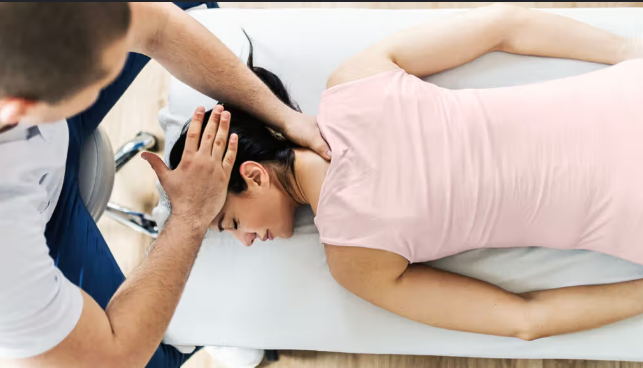
A chiropractic assessment can identify possible mechanical factors contributing to neck and shoulder pain. Treatment may focus on improving joint movement and addressing muscle and posture-related issues. A chiropractor may also suggest exercises and ergonomic changes to reduce repeated strain.
3. Headaches Related to Neck Tension
Some headaches may be associated with tension in the neck and upper back. Poor posture and prolonged screen use can place extra stress on the muscles and joints around the cervical spine.
For certain people, improving musculoskeletal function may help reduce the frequency or intensity of some types of headaches. Chiropractic care may be considered as part of a broader approach, particularly when headaches appear to have a musculoskeletal component.
It is important to remember that not every headache comes from the neck. Sudden, severe, unusual, or rapidly worsening headaches require prompt medical evaluation.
4. Pregnancy-Related Back and Pelvic Discomfort
Pregnancy can bring significant physical changes. As the baby grows, a woman’s center of gravity changes, body weight increases, and hormonal changes can affect joints and connective tissues. These changes may contribute to back, hip, or pelvic discomfort.
Every pregnancy is different, so treatment should be individualized. A chiropractor experienced in prenatal care may use pregnancy-appropriate techniques designed to avoid unnecessary pressure on the abdomen and accommodate changes in mobility.
Chiropractic care during pregnancy should be discussed with the woman’s obstetric or maternity-care provider, especially when there are complications or medical concerns.
5. Postpartum Pain
The physical demands of pregnancy do not necessarily end after childbirth. New mothers may experience back, neck, shoulder, or wrist discomfort from feeding, carrying, lifting, and repeatedly bending over.
Holding a baby in the same position for long periods can place stress on the upper back and neck. Lifting a baby from a crib or carrying equipment may also strain the lower back.
Postpartum chiropractic care may focus on restoring comfortable movement and addressing musculoskeletal strain. Gentle exercises that strengthen the core and other supporting muscles may also be recommended.
Women recovering from childbirth should receive appropriate medical clearance when necessary, particularly after complications or surgical delivery.
6. Menstrual-Related Discomfort
Menstrual periods can cause abdominal and pelvic discomfort, as well as lower back aches. Hormonal changes and uterine contractions are common contributors to menstrual pain.
Chiropractic care should not be viewed as a replacement for medical evaluation or treatment of severe menstrual pain. However, some women may seek complementary approaches for associated back or musculoskeletal discomfort.
If menstrual pain is severe, suddenly changes, lasts unusually long, or interferes significantly with normal activities, it is important to discuss it with a healthcare professional. Conditions such as endometriosis, fibroids, or pelvic infections can cause significant pain and require appropriate diagnosis and treatment.
7. Hip Pain
Hip discomfort may develop because of overuse, muscle imbalance, injuries, changes in movement patterns, or problems affecting nearby joints. Activities such as running, exercising, lifting, or standing for long periods can sometimes aggravate the hips.
A chiropractor may evaluate the hips, pelvis, spine, and surrounding muscles to identify movement limitations or areas of strain. Depending on the cause, a care plan may include manual therapy, mobility exercises, strengthening, and recommendations for modifying activities.
Persistent hip pain should be properly assessed rather than assumed to be a simple muscle problem.
8. Sports and Exercise Injuries
Women who participate in sports, fitness classes, running, or strength training may occasionally experience strains, sprains, and other injuries.
Increasing exercise intensity too quickly, using poor technique, insufficient recovery, or repetitive movements can increase the risk of discomfort. Previous injuries may also affect movement and place additional stress on other areas of the body.
Chiropractic care may be useful for certain musculoskeletal injuries as part of a broader rehabilitation plan. Treatment may involve restoring movement, improving mobility, and providing exercises designed to support recovery.
For significant injuries, severe swelling, inability to bear weight, suspected fractures, or other serious symptoms, medical evaluation is important.
How Chiropractic Care May Help
Chiropractic treatment generally focuses on musculoskeletal function rather than treating every possible cause of pain. A chiropractor may begin with a health history and physical assessment to understand where the pain is located, what movements make it worse, and whether there are factors contributing to the problem.
Depending on the diagnosis and individual needs, treatment may include:
Spinal Manipulation and Mobilization
These hands-on techniques are intended to improve movement in certain joints. Some people experience temporary soreness after treatment, while others may notice improved mobility or reduced discomfort.
Soft-Tissue Techniques
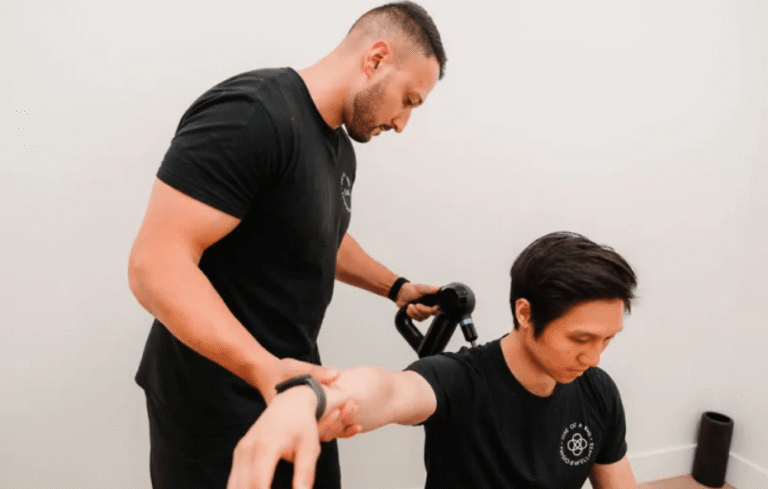
A chiropractor may work with muscles and other soft tissues to address tension and restricted movement. These techniques can sometimes be combined with stretching and exercise.
Therapeutic Exercises
Exercise can be an important part of managing musculoskeletal pain. A chiropractor may recommend strengthening, mobility, stretching, balance, or stabilization exercises based on the individual’s needs.
Posture and Ergonomic Advice
Small changes in everyday habits may help reduce repeated strain. A chiropractor may recommend adjusting desk height, screen position, sitting habits, sleeping positions, or lifting techniques.
Lifestyle Guidance
Recovery is not only about what happens during an appointment. Sleep, physical activity, stress management, healthy movement, and gradual increases in exercise can all influence musculoskeletal health.
Benefits of a Personalized Approach
Pain does not affect every woman in the same way. Two women may have similar symptoms but completely different underlying causes.
For this reason, personalized care can be more useful than applying the same treatment to everyone. A chiropractor may consider a woman’s age, activity level, occupation, pregnancy or postpartum status, previous injuries, and daily movement patterns when developing a plan.
The goal is not simply to address pain temporarily. When appropriate, care may also focus on improving mobility, building strength, and helping the person develop habits that support long-term musculoskeletal health.
Family Chiropractic
Family Chiropractic provides chiropractic care for people of different ages and stages of life. It may help address common concerns such as back pain, neck discomfort, poor posture, muscle tension, and limited mobility. With personalized care plans, family chiropractic focuses on supporting comfortable movement, physical wellness, and an active lifestyle for the whole family.
When Women Should Seek Medical Attention
Although many common aches and pains are musculoskeletal, some symptoms may indicate a condition that requires medical care.
Women should seek appropriate medical attention for symptoms such as:
- Sudden or severe unexplained pain
- Chest pain or difficulty breathing
- New weakness or numbness
- Loss of bladder or bowel control
- Severe abdominal or pelvic pain
- Unexplained weight loss with persistent pain
- Fever combined with significant pain
- Pain following a serious accident or injury
- Persistent pain that continues to worsen
- Unusual vaginal bleeding accompanied by significant pain
These symptoms should not simply be treated with chiropractic care without appropriate medical evaluation.
Choosing the Right Chiropractic Provider
Women considering chiropractic care should choose a qualified and appropriately licensed chiropractor. It can also be helpful to find someone who has experience with the specific concern being addressed, such as sports injuries, pregnancy-related discomfort, or postpartum musculoskeletal problems.
During the first visit, women should feel comfortable discussing their symptoms, medical history, medications, previous injuries, pregnancy status when relevant, and any concerns about treatment.
A good provider should explain the proposed treatment, expected benefits, possible risks, and alternative options. Patients should never feel pressured into a treatment plan they do not understand or want.
Supporting Women’s Musculoskeletal Health at Home
Chiropractic visits can be complemented by healthy daily habits. Women can support their musculoskeletal health by staying physically active, taking regular breaks from prolonged sitting, maintaining good workstation ergonomics, using proper lifting techniques, and gradually building strength.
Regular movement is particularly important for people who spend much of the day sitting. Simple activities such as walking, gentle stretching, and appropriate strengthening exercises can help maintain mobility.
Adequate sleep and recovery are also important. When the body does not get enough rest, muscles may feel more tense and recovery from physical activity may become more difficult.
Final Thoughts
Pain in women can come from many sources, including back strain, poor posture, neck tension, pregnancy-related changes, postpartum demands, exercise injuries, and hip or pelvic discomfort. Understanding the possible cause is an important first step toward choosing appropriate care.
Chiropractic care may help some women manage certain types of musculoskeletal pain through hands-on treatment, movement-based strategies, exercise, and lifestyle guidance. Its role depends on the individual’s symptoms and underlying condition.
The most effective approach is one that puts safety first and considers the whole person rather than focusing only on the painful area. When chiropractic care is appropriate, it can be one component of a broader strategy for improving movement, reducing discomfort, and supporting everyday physical function.
Women should also remember that persistent, severe, or unusual pain deserves proper medical evaluation. Working with qualified healthcare professionals can help identify the cause of pain and determine which treatment options are safest and most appropriate.