Beyond Wrinkles: 7 Other Interesting Medical Uses for Botox

While hearing the word “Botox,” people usually think about smoother foreheads, reduced crow’s feet, and youthful appearance. But there are many other uses for botulinum toxin type A.
Customers looking for botox in London are often astonished to find out that besides rejuvenating the face, the very same injections may be also used to alleviate chronic pain, prevent perspiration, and positively affect one’s overall condition. Our specialists at Define Clinic – London provide both medical and aesthetic treatments using botox.
Chronic Migraines and Severe Headaches
Many people suffer from chronic migraines all around the world. This condition means having 15 or more headache days a month, and it adversely affects the person’s quality of life, working abilities, and psychological state. Many medications used to treat migraines have strong systemic side effects, so people search for alternatives.
Botox was approved by the FDA for prevention of chronic migraines after several successful clinical trials revealed its amazing ability to inhibit pain pathways. When applied over certain muscle groups located at the head and neck areas, Botox works through nerve endings, blocking the release of neurotransmitters that trigger the transmission of pain impulses to the central nervous system.
Hyperhidrosis (Excessive Sweating)
Sweating is a natural process of the body designed to keep a constant body temperature. However, for people suffering from hyperhidrosis, their sweat glands constantly work in an overdrive mode, making them perspire regardless of temperature, emotional stress or any other physical activity.
The therapeutic effect of neurotoxins can help people cope with hyperhidrosis. When injected into active skin areas, botulinum toxin blocks chemical messages to the sweat glands. Most people who get botox in London for either underarm hyperhidrosis or facial hyperhidrosis will experience reduced sweating in a period of less than a week.
See also Health Insurance in Malaysia: What You Need to Know Before You Buy
Masseter Reduction and TMJ Relief
Disorders of temporomandibular joint (TMJ) and bruxism (teeth grinding and clenching involuntarily) lead to considerable pain and dental erosion as well as facial pain. Masseter muscles (jaw muscles) become overly active in such a situation due to increased work load on them.
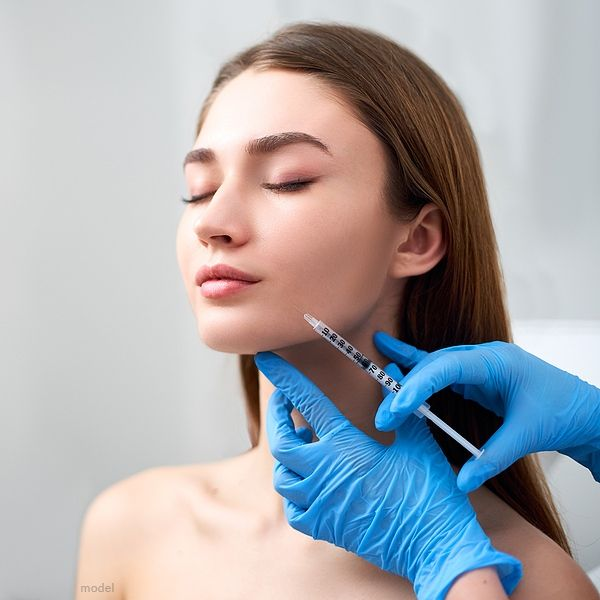
The jaw muscles become weakened with time leading to wearing out of tooth enamel, stiff jaw on waking up and tension headache. Clinicians are able to temporarily reduce muscle contraction strength in the masseter muscle through neurotoxin injections while still allowing the patient to continue chewing and speaking comfortably.
The muscle contractions in the masseter muscle will become less strong once the masseter muscles become relaxed due to the effects of the neurotoxin treatment. Additionally, the slimming effects will become more evident over time since the masseter muscles become smaller and thinner as a result of being less overworked.
Blepharospasm and Uncontrollable Muscle Spasms
The use of Botox treatment initially had nothing to do with cosmetic purposes when first introduced to medical science. In the 1980s, researchers used botulinum toxin for treating focal dystonia, particularly blepharospasm, which is a painful nervous system disorder that involves uncontrollable muscle spasms around the eyelids.
The uncontrollable muscle spasms around the eyes can cause the patients either to rapidly blink or have their eyelids closed for long periods of time, making them functionally blind despite having no eye problems.
Small doses of the toxin injected directly into the orbicularis oculi muscles stop the muscle spasms and allow them to move normally again. This revolutionary method was the starting point for the era of neurotoxin treatments in various movement disorders.
Cervical Dystonia (Neck Muscle Spasms)
The painful neurological disease called spasmodic torticollis is characterized by involuntary contraction of muscles in the neck area. The spasms of the muscles cause the head to move unnaturally, twist, rotate, and even tilt to abnormal angles.
Not only does cervical dystonia limit a patient’s movements but it also creates constant strain of the neck, shooting pains, and exhaustion of muscles making even simple daily activities hard to perform.
The effect of injecting the neurotoxin into overactive cervical muscles is a muscle relaxer in the focal point, which lessens the force of the spasms. In consequence of the relaxation, the head and neck will be in a straight position, thus relieving the chronic pain and restoring the head movement.
Overactive Bladder and Urge Incontinence
Urge incontinence creates the sensation of the urge to urinate very suddenly, without an ability to postpone it and resulting in the involuntary leaking of urine. If conservative treatments, rehabilitation of the pelvic floor and oral medications do not work or produce unbearable side effects, then one may try botulinum toxin as a remedy.
The practitioner injects the neurotoxin botulinum into the detrusor muscle, which is the muscle wall of the bladder. The neurotoxin relaxes the muscle wall and increases the bladder storage volume as well as reduces any spasms that occur and cause the urgency to urinate. One injection provides symptom relief for up to nine months, making patients feel safe not being constantly searching for a bathroom.
Strabismus (Crossed Eyes)
Strabismus is when the extraocular muscles used for eye movement do not function correctly as one, resulting in one eye looking inwards, outwards, upwards or downwards while the other is looking straight ahead. This causes double vision as well as difficulty in depth perception since the eyes have to try to make sense of the conflicting images.
The insertion of small amounts of neurotoxin into the stronger muscle makes it weaker and creates the balance that allows the opposite muscle to move the eye back to the right position.
While in children strabismus is usually treated surgically, adults who suffer from crossed eyes prefer to have botox in London injections that help to fix the problem without the need for surgery.
Conclusion
With the ability to relieve painful, chronic migraines, excess sweating, and muscle spasms, botulinum toxin is arguably one of the most versatile biologic therapies available in modern times. Although the ability to reduce the appearance of fine lines means that botulinum toxin will forever be a key ingredient in aesthetic procedures, the medical uses of the therapy will forever change people’s lives for the better.