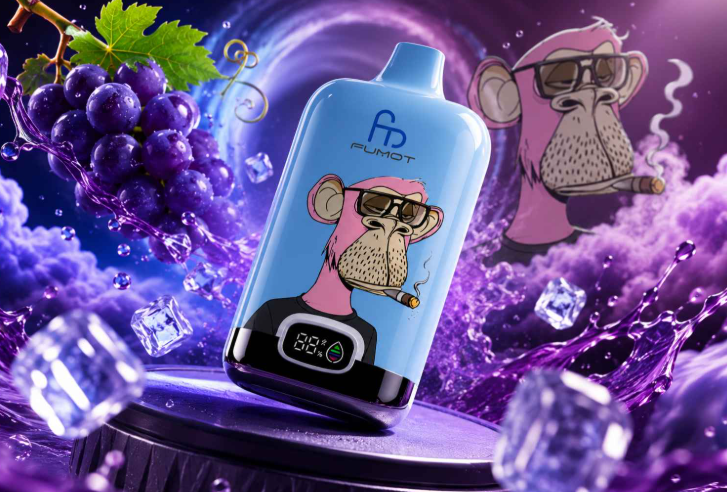
What Is Inside Vape Liquids?

Vape liquid, also called e-liquid or vape juice, is the substance heated inside an electronic cigarette or vape device to create an aerosol that users inhale. Whether used in a compact pod or a high-capacity device such as a 12k vape, the liquid generally contains a combination of a base liquid, flavorings, and, in many products, nicotine. Understanding what is inside vape liquids can help consumers make more informed decisions about vaping and understand how different ingredients affect the vaping experience.
Although vape liquids can look simple, their formulation can vary significantly between products. The ingredients, concentrations, flavor compounds, and nicotine strength can all differ depending on the manufacturer and product type.
What Are the Main Ingredients in Vape Liquid?
Most commercially produced vape liquids contain four main categories of ingredients:
- Propylene glycol (PG)
- Vegetable glycerin (VG)
- Flavorings
- Nicotine, when included
Some products may also contain small amounts of other ingredients or additives. The exact formulation should be checked on the product packaging or manufacturer’s information.
1. Propylene Glycol (PG)
Propylene glycol, commonly abbreviated as PG, is a colorless liquid widely used in food, cosmetics, pharmaceuticals, and vaping products.
In vape liquid, PG acts as a carrier for flavorings and nicotine. It is also responsible for producing a relatively light aerosol compared with vegetable glycerin.
One reason PG is used in e-liquid is that it carries flavors effectively. Vape liquids with a higher PG ratio can therefore provide a stronger sensation in the throat, sometimes called “throat hit.”
However, some people may experience irritation or sensitivity when inhaling PG-containing aerosol. This is one reason different PG/VG ratios are available.
2. Vegetable Glycerin (VG)
Vegetable glycerin, usually called VG, is another major ingredient found in many vape liquids. It is a thick, slightly sweet liquid commonly used in food, cosmetics, and pharmaceutical products.
In vaping, VG helps produce a larger and denser aerosol. E-liquids with a higher VG content are often associated with smoother inhalation and greater vapor production.
VG is considerably thicker than PG, which means the ratio of these two ingredients can affect how a device performs. High-VG liquids may work differently from thinner liquids, particularly in devices designed for different types of vaping.
A high-capacity product such as a 12k vape may contain a pre-filled liquid formulation designed specifically for the device rather than allowing users to select their own PG/VG ratio.
3. Flavorings
Flavorings are responsible for the taste and aroma of vape liquid. Manufacturers can use a wide range of flavor compounds to create profiles such as fruit, mint, dessert, beverage, or tobacco-inspired flavors.
The fact that a flavoring is approved for use in food does not automatically mean it is proven safe to inhale. The digestive system and respiratory system process substances differently, so inhalation safety requires separate consideration.
Some vape liquids contain a single flavor profile, while others combine several flavoring compounds. The flavor formulation can also influence the overall sensory experience, including sweetness, cooling sensations, and aroma.
4. Nicotine
Many vape liquids contain nicotine, although nicotine-free products are also available. Nicotine is the addictive substance found in tobacco and is responsible for dependence associated with many tobacco products and nicotine-containing vapes.
Nicotine concentration can vary considerably between products and markets. Some e-liquids use traditional nicotine, while others use nicotine salts, which are formulated differently and can allow relatively high nicotine concentrations with a smoother sensation.
Nicotine is not harmless. It can cause dependence and has effects on the cardiovascular and nervous systems. Products containing nicotine should therefore be kept away from children and pets.
What Are Nicotine Salts?
Nicotine salts are a form of nicotine commonly used in modern pod systems and disposable-style vapes. They are made by combining nicotine with an acid, often benzoic acid, to modify the chemical characteristics of the nicotine formulation.
Compared with traditional freebase nicotine, nicotine salts can provide a smoother experience at higher concentrations. This has contributed to their widespread use in compact vaping products.
However, smoother inhalation does not mean that the nicotine itself is less addictive. Users should always check the nicotine concentration listed on the packaging.
Does Vape Liquid Contain Water or Alcohol?
Some vape liquids may contain small quantities of water or alcohol-based ingredients, depending on the formulation. These are not universal ingredients.
The primary liquid base is normally PG, VG, or a combination of both. The exact formulation depends on the manufacturer and product design.
For pre-filled products, consumers generally cannot change the liquid formulation. Devices such as a 12k vape are commonly supplied with their own pre-filled e-liquid, so the ingredients and nicotine content should be checked before use.
What Happens When Vape Liquid Is Heated?
A vape device uses a heating element, often called a coil, to heat the e-liquid. The liquid is drawn toward the coil through a wick or similar material. When heated, the liquid forms an aerosol that is inhaled.
It is important to understand that vaping does not simply turn e-liquid into harmless “water vapor.” The aerosol can contain nicotine, flavoring chemicals, ultrafine particles, and other substances.
The substances produced can also depend on factors such as the device temperature, coil condition, liquid formulation, and how the device is operated.
Can Vape Liquid Contain Harmful Chemicals?
Vape liquid itself may contain relatively few ingredients, but heating can change some chemicals and produce additional compounds.
Research has identified potentially harmful substances in some vape aerosols, including certain carbonyl compounds and metals. The levels can vary depending on the device, liquid, coil, temperature, and manufacturing quality.
A burnt or overheated taste can sometimes indicate that the coil or wick is not functioning properly. It is not a reason to assume the aerosol is safe.
For this reason, vaping should not be described as risk-free simply because an e-liquid contains a short ingredient list.
How to Read a Vape Liquid Ingredient Label
When examining a vape liquid or pre-filled device, look for:
- PG/VG information: Shows the main base composition when provided.
- Nicotine strength: Indicates whether nicotine is present and its concentration.
- Flavor information: Describes the intended flavor profile or ingredients.
- Warnings: Provides information about nicotine and other potential risks.
- Manufacturer details: Helps identify the product’s source and labeling information.
If a product does not clearly identify its ingredients or nicotine content, consumers should be cautious about assuming what is inside.
Does Every Vape Contain Nicotine?
No. Not every vape contains nicotine. Some products are manufactured without nicotine, while others contain different nicotine concentrations.
The term “nicotine-free” does not necessarily mean that vaping is completely harmless. The aerosol may still contain flavoring substances and other compounds, and the long-term health effects of inhaling many vaping ingredients remain an area of ongoing research.
Consumers should therefore distinguish between nicotine-free and risk-free—they are not the same thing.
Final Thoughts: What Is Inside Vape Liquids?
So, what is inside vape liquids? Most e-liquids contain a combination of propylene glycol, vegetable glycerin, flavorings, and sometimes nicotine. Additional ingredients may be present depending on the formulation and product.
Understanding these components is particularly important when comparing different vaping products, including disposable-style devices and high-puff products such as a 12k vape. Checking the ingredient information, nicotine concentration, manufacturer details, and product warnings can provide a clearer picture of what you are inhaling.
Vape liquids are not simply flavored water, and vaping is not risk-free. Learning about the ingredients can help users make better-informed choices and understand the differences between various vape products.