Why the Number of Destinations Can Change the Cost of an Egypt Tour

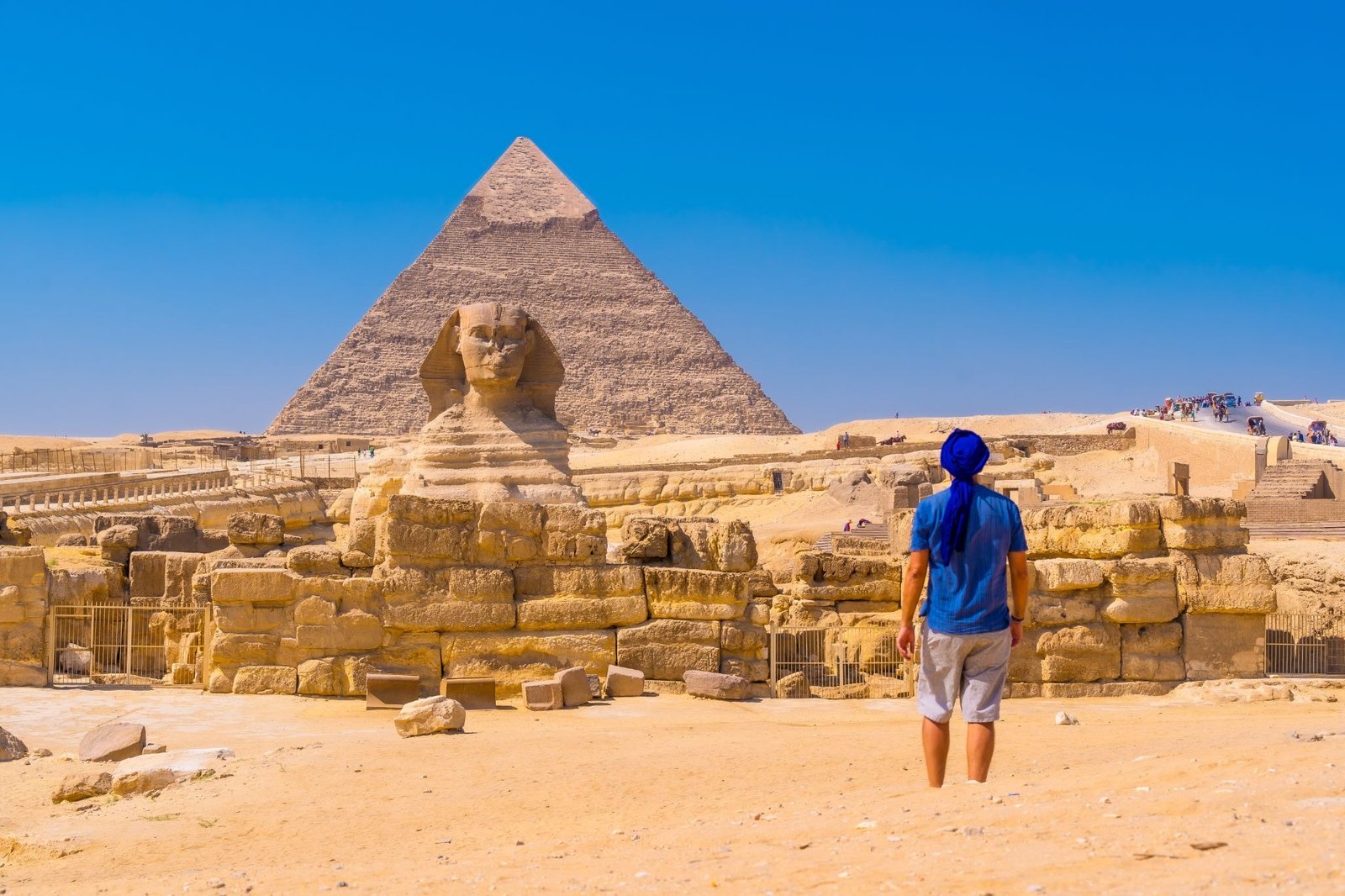
Planning a trip to Egypt often begins with a list of places to see. Cairo may be essential for the Pyramids of Giza and the Sphinx, while Luxor and Aswan attract travellers interested in temples, tombs and the Nile river. Some itineraries go further by adding Abu Simbel, Alexandria, Hurghada, Siwa or other destinations.
Adding more places can create a more varied holiday, but it can also change the overall cost significantly. Every additional destination introduces transportation, accommodation, sightseeing and logistical considerations. This is why two Egypt tours of a similar duration can have noticeably different prices. When comparing Egypt travel deals, looking at the number and location of destinations can provide a much clearer understanding of what is included in the price.
More Destinations Usually Mean More Transportation
Transportation is one of the clearest reasons a multi-destination tour may cost more.
Egypt’s major attractions are spread across different parts of the country. Cairo is in the north, while Luxor and Aswan are much farther south along the Nile. Hurghada is on the Red Sea, and Siwa requires travel west into the desert.
Moving between these destinations requires additional arrangements. Depending on the itinerary, travellers may use private road transfers, trains, sleeper trains, domestic flights or a combination of transportation methods.
The tour selection itself includes different options based on flights, trains and overland travel, showing how transportation choices form an important part of itinerary planning.
See also: Emergency Possum Removal – 24/7 Rapid Response Wildlife Control Services
The Distance Between Destinations Matters
The number of stops alone does not determine the cost. Their geographical relationship matters too.
Adding a nearby attraction to an existing route may involve relatively little additional travel. Adding a destination in another region can require a longer transfer, another hotel stay or a different transportation method.
For example, an itinerary covering Cairo, Luxor and Aswan follows a relatively established north-to-south sightseeing route. Adding Siwa creates a substantially different journey because the oasis lies away from the Nile corridor.
Many tour options include a 10-day itinerary combining Cairo, Siwa, Aswan and Luxor, demonstrating how wider geographical coverage can create a more extensive travel programme.
Adding Luxor and Aswan Expands the Historical Experience
Cairo is central to many Egypt itineraries, but adding Luxor and Aswan significantly expands the range of historical sites travellers can experience.
The tour selection includes Cairo attractions such as the Pyramids and Sphinx alongside Upper Egypt sites including Karnak Temple, Luxor Temple, the Valley of the Kings and attractions around Aswan.
However, visiting these cities means travelling a considerable distance beyond Cairo. The itinerary must account for transportation, local transfers, accommodation and guided sightseeing in each location.
This helps explain why travellers should not compare a Cairo-focused package directly with a multi-city itinerary simply by looking at the total price.
Abu Simbel Requires Additional Planning
Abu Simbel is another destination frequently included in broader Egypt itineraries.
Located south of Aswan, it requires an additional journey beyond the main Cairo, Luxor and Aswan route. Depending on the particular itinerary, transportation arrangements may differ. One eight-day itinerary, for example, incorporates Abu Simbel alongside Cairo, Aswan and Luxor as part of a wider historical tour.
Adding Abu Simbel can therefore affect both the itinerary and the travel budget.
When comparing packages, travellers should check whether Abu Simbel is actually included and how the visit is arranged rather than assuming every tour covering Aswan automatically includes it.
Nile Cruises Change the Structure of the Tour
A Nile cruise is not simply another sightseeing stop. It changes the way part of the journey is organised.
Instead of travelling between every destination by road, rail or air and checking into separate hotels, travellers may spend several nights aboard a cruise while moving between locations along the Nile.
Many packages include several itineraries combining Cairo with Nile cruises. One eight-day option includes three nights aboard a Nile cruise as well as accommodation in Cairo and Aswan.
Cruise-based itineraries can include accommodation and meals aboard the vessel, so their prices should be compared according to their complete inclusions rather than against hotel-only tours.
Adding Hurghada Creates a Different Type of Holiday
Not every additional destination is included purely for historical sightseeing.
Hurghada adds a Red Sea component to an Egypt itinerary, allowing travellers to combine archaeological sightseeing with time near the coast. This can create a more varied holiday but also requires additional travel and accommodation.
A 12-day itinerary online, for example, combines Cairo, Aswan and Luxor with a Nile cruise before finishing with a stay in Hurghada. It includes three nights of accommodation in Hurghada as part of the wider programme.
Travellers comparing Egypt travel deals should therefore consider what each destination adds to the experience, not simply count the number of cities listed.
Alexandria Can Extend a Cairo-Based Route
Alexandria provides another example of how itinerary choices influence travel arrangements.
The Mediterranean city can be combined with Cairo and other destinations, but doing so adds another journey and additional sightseeing. Many tours include itineraries combining Cairo, Alexandria and Luxor, as well as a broader option covering Cairo, Alexandria, Luxor, Aswan and Abu Simbel.
The second itinerary naturally involves considerably more movement across Egypt.
Travellers should therefore examine the complete route and understand how much time will be spent moving between destinations compared with actually exploring them.
More Destinations Can Mean More Accommodation Changes
Adding destinations often increases the number of accommodation arrangements required.
A simple itinerary may use one or two hotels throughout the trip. A wider journey can involve several hotels, a Nile cruise and possibly overnight rail travel.
Accommodation categories also influence the final price. Two itineraries visiting the same cities can cost different amounts if they use different hotel standards or cruise categories.
This is why destination count and accommodation should be considered together. More stops can mean additional check-ins and transfers, while the standard and type of accommodation at each stop also affect the overall package.
Guided Sightseeing Adds Another Cost Layer
Travelling to another city generally means more than simply arriving there.
Visitors usually want to explore its major historical or cultural attractions, which can involve local transportation, entrance fees and guided sightseeing. Packages commonly include private sightseeing, Egyptologist guides and entrance fees for specified sites.
As the number of destinations increases, the amount of organised sightseeing can increase as well.
Travellers should check which attractions and entrance fees are included because two packages visiting the same cities may still provide very different sightseeing programmes.
Longer Tours Can Reduce the Need to Rush
Trying to include too many destinations within a short trip can create a demanding schedule.
An itinerary may technically cover several cities, but frequent transfers can leave limited time for exploring each one. A longer trip can distribute those destinations across more days and create a more comfortable pace.
Tour selection ranges from short three-day trips to itineraries lasting 10, 11 or 12 days, with destination coverage varying considerably between them.
Travellers should therefore think about the relationship between destinations and available time. Seeing more places is not necessarily better if much of the holiday is spent moving between them.
Internal Flights Can Increase Convenience and Cost
Some itineraries use domestic flights to reduce travel time between distant locations.
Flying can be useful when travellers want to cover several regions within a relatively limited number of days. Packages include flight-based Nile cruise itineraries as well as tours that use trains or sleeper trains.
These transportation choices can influence both convenience and price.
A lower-priced itinerary may involve longer overland or rail journeys, while another may cost more partly because it reduces travel time through flights. Comparing only the destinations would miss this important difference.
More Destinations Do Not Automatically Mean Better Value
A tour visiting six destinations is not necessarily better value than one visiting four.
Value depends on how much time is available at each destination, what sightseeing is included, the quality of accommodation, transportation methods and how well the itinerary matches the traveller’s interests.
Someone primarily interested in ancient Egyptian history might prefer a concentrated Cairo, Luxor and Aswan itinerary. Another traveller may value a broader experience combining archaeological sites with a Nile cruise and Red Sea relaxation.
The best itinerary is therefore the one that uses the available time and budget for experiences the traveller genuinely wants.
Compare Complete Inclusions Before Booking
Headline prices can be useful for narrowing down options, but they rarely tell the complete story.
When comparing Egypt travel deals, travellers should look at the destinations, number of nights, hotels, cruise accommodation, transportation between cities, airport transfers, guided sightseeing, entrance fees and meals included in each package. Some packages combine hotels and Nile cruises, while others use trains, flights or overland transportation.
Understanding these details provides a much fairer comparison than simply selecting the itinerary with the lowest advertised price.
Conclusion
The number of destinations included in an Egypt tour can have a significant influence on its cost because every additional location affects the wider itinerary. Transportation, accommodation, guided sightseeing, entrance fees and the amount of time required to move between regions can all change as the route expands.
Destinations such as Cairo, Luxor, Aswan, Abu Simbel, Alexandria, Siwa and Hurghada also provide very different experiences and involve different travel logistics. A Nile cruise or domestic flight can further change both the structure and cost of a trip.
When comparing Egypt travel deals, travellers should therefore look beyond the number of destinations or the headline price. A carefully paced itinerary with the right inclusions can provide better value than simply trying to fit as many places as possible into a limited number of days.