A Structured Approach to Comparing Emergency Tourniquets

Emergency equipment decisions can be challenging when multiple products are marketed for similar purposes. Tourniquets are a particularly important example because they may be used during life-threatening bleeding emergencies, and differences in design can affect application, training, and product evaluation.
A useful comparison should not rely on popularity or appearance alone. Instead, organizations should establish clear criteria, verify the exact models under consideration, and consider the training and maintenance arrangements needed to support them.
Why Product Comparisons Need Context
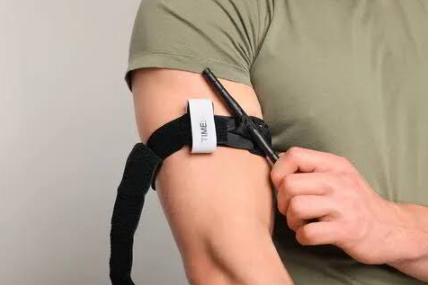
Tourniquets are not all constructed in the same way. Different models may use mechanical tightening systems, elastic materials, or other designs. Their application instructions and documented characteristics can vary.
A comparison that ignores these differences may lead buyers to make assumptions that are not supported by product evidence. It is better to identify the intended application, confirm the exact model, and review the manufacturer’s documentation.
For serious bleeding, emergency services should be contacted promptly. Tourniquets should be used in appropriate circumstances by people following recognized training and the specific device instructions.
See also: Cleaning Company in Dublin That Fits Around Life, Work and Everything Else on the To-Do List
Comparing RATS and CAT Models
A RATS vs CAT tourniquet comparison should begin by identifying the actual products being compared. CAT-type tourniquets commonly use a windlass system, while RATS-branded models use an elastic cord-based design. Buyers should consult current documentation for each model rather than relying on generalized descriptions.
Design and construction
Review the materials, fastening components, tightening mechanism, and retention features described by the manufacturer. If technical data are available, confirm that they apply to the exact product and version.
Instructions and usability
Read the instructions for each model and identify any differences that may affect training. Do not assume that familiarity with one device automatically prepares a user to operate another.
Storage and portability
Consider packaging, dimensions, and environmental storage requirements. Equipment carried in vehicles or outdoor kits may be exposed to changing conditions, so follow the manufacturer’s recommendations.
Verification and traceability
Check product identifiers, manufacturer details, packaging, and relevant batch information where available. This is especially important when purchasing products described as compatible with or similar to recognized models.
Creating a Fair Comparison Matrix
A comparison matrix helps teams evaluate products consistently. Suggested fields include:
- Manufacturer and exact model.
- Intended use and limitations.
- Application design.
- Materials and construction.
- Instructions and training compatibility.
- Packaging and storage requirements.
- Available quality or conformity documentation.
- Supplier reliability and product traceability.
- Price, order quantity, and delivery conditions.
Use a status such as “verified,” “requires clarification,” or “not applicable” for each field. Missing information should be recorded as a gap rather than interpreted as proof that the product is unsuitable or equivalent.
Where clinical suitability is uncertain, consult qualified medical professionals and recognized guidance. A procurement checklist is useful for organizing evidence, but it does not replace clinical evaluation.
Avoiding Misleading Product Claims
Promotional descriptions can make a product sound more capable than the available evidence supports. Phrases such as “battle proven,” “universal,” or “professional grade” should be examined carefully.
Ask suppliers for the documents supporting relevant claims. Confirm whether testing applies to the precise model and configuration being offered. Be cautious about relying on testimonials or online comparisons that do not identify the products and methods involved.
A product’s appearance also does not establish authenticity. If a purchase requires a specific branded model, verify the supply chain and the manufacturer’s identification rather than accepting a generic alternative without review.
Procurement for Organizations
Teams buying equipment for multiple users should document their selection process. A written specification helps ensure that suppliers quote comparable products and reduces the risk of unexpected substitutions.
Before placing an order, confirm quantities, packaging configuration, delivery dates, and the process for reporting discrepancies. For international purchases, verify the import and medical-device requirements applicable to the destination market.
When products arrive, inspect the shipment against the purchase order. Check labels, model identifiers, package condition, and documentation before distributing the items. Retain records that support future inventory checks and repeat purchases.
Maintaining Training and Inventory Consistency
The comparison process should continue after purchasing. Record which model is included in each kit and ensure that training materials match the equipment available.
Routine inspections should check for missing supplies, damaged packaging, and expiry dates where applicable. After a device is used or its packaging is compromised, follow the manufacturer’s instructions and organizational procedures for replacement.
If an organization decides to change models, review the reason for the change, verify the new product’s documentation, and update training before deployment.
FAQs
1. What is the best way to compare two tourniquet models?
Identify the exact products and compare their documented intended use, design, instructions, quality information, storage requirements, and suitability for the intended users.
2. Does a lower price indicate better value?
Not necessarily. Documentation, product consistency, supply reliability, training compatibility, and compliance requirements should also be considered.
3. Why should training match the exact tourniquet model?
Different designs may use different application and securing procedures. Model-specific training helps users understand the equipment they may encounter in an emergency.
Conclusion
A reliable tourniquet comparison uses verified information, consistent criteria, and a clear understanding of the intended application. Buyers should assess individual models rather than rely on generalized claims, and they should connect procurement decisions with appropriate training and inventory controls. This approach supports more informed purchasing and better-organized emergency equipment programs.