Automate or Die: Why Manual Receipts Are Holding Back Your Trade Business

If you run a trade business, you already know the drill. You finish a job, grab a crumpled paper from your truck’s glovebox, scribble down what the customer owes, and hope you don’t lose it before you get home. Sound familiar? You’re not alone. Thousands of electricians, plumbers, handymen, and contractors still handle receipts this way, and it’s quietly costing them money, time, and peace of mind.
Let’s talk about why manual receipts are dragging your business down, and what you can do instead.
The Real Cost of Paper Receipts
Paper receipts feel simple. Write it down, hand it over, done. But that simplicity comes with a hidden price tag.
Think about how many times you’ve searched your truck, your wallet, or a pile of papers on your kitchen table looking for one specific receipt. Maybe a customer disputed a charge. Maybe your accountant needed proof of an expense for tax season. Maybe you just wanted to know how much you spent on materials last month. Every one of those moments takes time you don’t have.
And it’s not just about losing paper. Handwritten receipts are also prone to mistakes. A smudged number, an illegible signature, a missing date. These small errors add up, especially when you’re trying to close out your books at the end of the year.
Why Trade Businesses Struggle With This More Than Others
Trade work is different from sitting behind a desk. You’re moving between job sites all day. You’re covered in dust, paint, or grease half the time. You don’t have a stable place to sit down and do paperwork properly.
This is exactly why so many tradespeople fall behind on their record-keeping. It’s not laziness. It’s the nature of the job. But falling behind on receipts creates a snowball effect. Missed expenses mean missed tax deductions. Missing invoices mean slower payments. And messy records mean more stress when it’s time to file taxes or apply for a business loan.
See also: Emergency Possum Removal – 24/7 Rapid Response Wildlife Control Services
What Happens When You Skip Proper Documentation
Here’s a scenario that plays out more often than you’d think. A contractor finishes a big renovation job. The customer pays in cash, and the contractor promises to send a receipt later. Weeks go by. The receipt never gets sent. Then tax season arrives, and the contractor can’t remember exactly what materials were bought for that job or how much labor was billed.
Now multiply that by every job done that year. This is how trade businesses lose thousands of dollars in deductions they were entitled to claim. It’s also how disputes with customers turn ugly, because there’s no paper trail to back up what was actually charged.
A proper handyman receipt or construction receipt isn’t just a formality. It’s proof. It protects you if a customer questions a charge, and it protects your bottom line when tax time rolls around. You can make your customreceipts through TheReceiptLab.com
The Shift Toward Automation
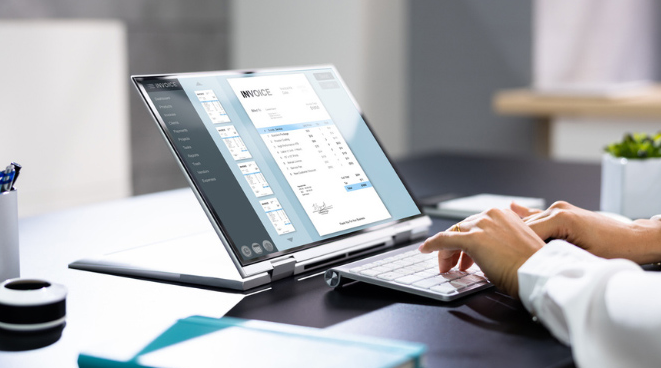
Here’s the good news. You don’t need to keep juggling paper slips and handwritten notes. Automation has made it possible to create, send, and store receipts in seconds, right from your phone.
Instead of writing everything by hand, you fill in a simple template, and the details get saved automatically. No more digging through your truck for a lost slip. No more squinting at your own handwriting trying to remember what job it was for.
This shift matters more for trade businesses than almost any other industry, because your paperwork happens on the move. A tool that works from your phone, right at the job site, fits the way you actually work.
What to Look For in a Receipt Tool
Not every app or software out there is built with tradespeople in mind. When you’re choosing a way to automate your receipts, keep an eye out for a few things:
Speed. You should be able to create a receipt in under a minute, not fumble through ten screens.
Simple templates. Whether you need a handyman receipt for a small repair job or a construction receipt for a bigger project, the template should let you fill in the details without confusion.
Storage you can trust. Your receipts should be saved somewhere safe, so you’re never scrambling to find one months later.
Easy sharing. Customers should be able to receive their receipt by email or text right away, not days later.
If a tool checks these boxes, it’s going to save you real time every single week.
How Automation Helps Beyond Just Receipts
Once you stop relying on paper, you’ll notice the benefits go further than just staying organized. Automated records make it much easier to track how your business is actually doing. You can see which jobs bring in the most money, which materials cost you the most, and where your time is really going.
This kind of clarity is hard to get when your records are scattered across notebooks and glove compartments. With everything logged properly, you get a clear picture of your business, not just guesses based on memory.
It also makes working with an accountant far less painful. Instead of handing over a shoebox of crumpled paper, you can hand over organized digital records. That alone can save you money on accounting fees, since your accountant spends less time sorting through a mess.
Building Trust With Your Customers
There’s another side to this that often gets overlooked. Customers notice when a business runs smoothly. If you show up to a job and hand them a clean, professional receipt right on the spot, it says something about how you operate. It builds trust.
Compare that to fumbling for a scrap of paper, writing something illegible, and promising to “send it later.” One version looks professional. The other looks like an afterthought. In a trade where word of mouth and repeat business matter so much, small details like this add up to a bigger reputation.
Making the Switch Without the Overwhelm
If you’ve been doing things the manual way for years, the idea of switching might feel like a hassle. But it doesn’t have to be a big overhaul. Start small.
Begin by using a digital template for your next few jobs instead of paper. Get comfortable with how it works. Once you see how much faster and cleaner it is, going back to paper will feel like a step backward.
You don’t need to change your whole business overnight. Just start replacing the habits that are costing you time, one job at a time.
Final Thoughts
Manual receipts might have worked fine years ago, but trade businesses today can’t afford to lose time, money, or trust over something as simple as paperwork. Whether it’s a quick handyman receipt for a same-day fix or a detailed construction receipt for a multi-week project, having a fast and reliable system in place makes your business run smoother and look more professional.
The businesses that automate this small but important piece of their workflow are the ones that spend less time chasing paperwork and more time doing the work that actually pays the bills. It really is that simple: automate, or keep losing time to the paper pile.