Custom Labels in Australia Can Help Small Brands Build More Consistent Product Packaging

Small brands rarely set out to look scattered. It just happens, one rushed label at a time, until the range on the shelf looks like four separate businesses had a go. Custom labels in Australia are usually ordered product by product, and that is exactly where the visual consistency quietly falls apart.
Fixing it is less painful than most owners expect. Custom labels in Australia work hardest when the whole range is planned as one set of decisions, because shared shapes, stocks and colours turn separate products into a family that shoppers recognise from two metres away. No rebrand required. Just a bit of upfront thinking.
Why a Mismatched Range Reads as Three Separate Brands
Shoppers Spot the Family Resemblance before They Read Anything: Recognition happens through shape, colour and finish long before anyone reads a product name, so a range with four different label formats reads as four unrelated products. The brain sorts visual patterns first. Words come second. A mismatched shelf makes a small brand look smaller, even when every individual label is beautifully printed.
Every Ad-Hoc Order Makes the Next One Harder: Each label ordered in isolation adds another format, another stock and another set of colours to untangle later, so the cost of fixing it grows with every new product. In everyday print work, label printers routinely see brands arrive with six products and six unrelated artwork files, all needing rework. Sorting it early is cheaper. Always is.
See also: Cleaning Company in Dublin That Fits Around Life, Work and Everything Else on the To-Do List
Locking in Shapes, Finishes and Colours That Actually Repeat
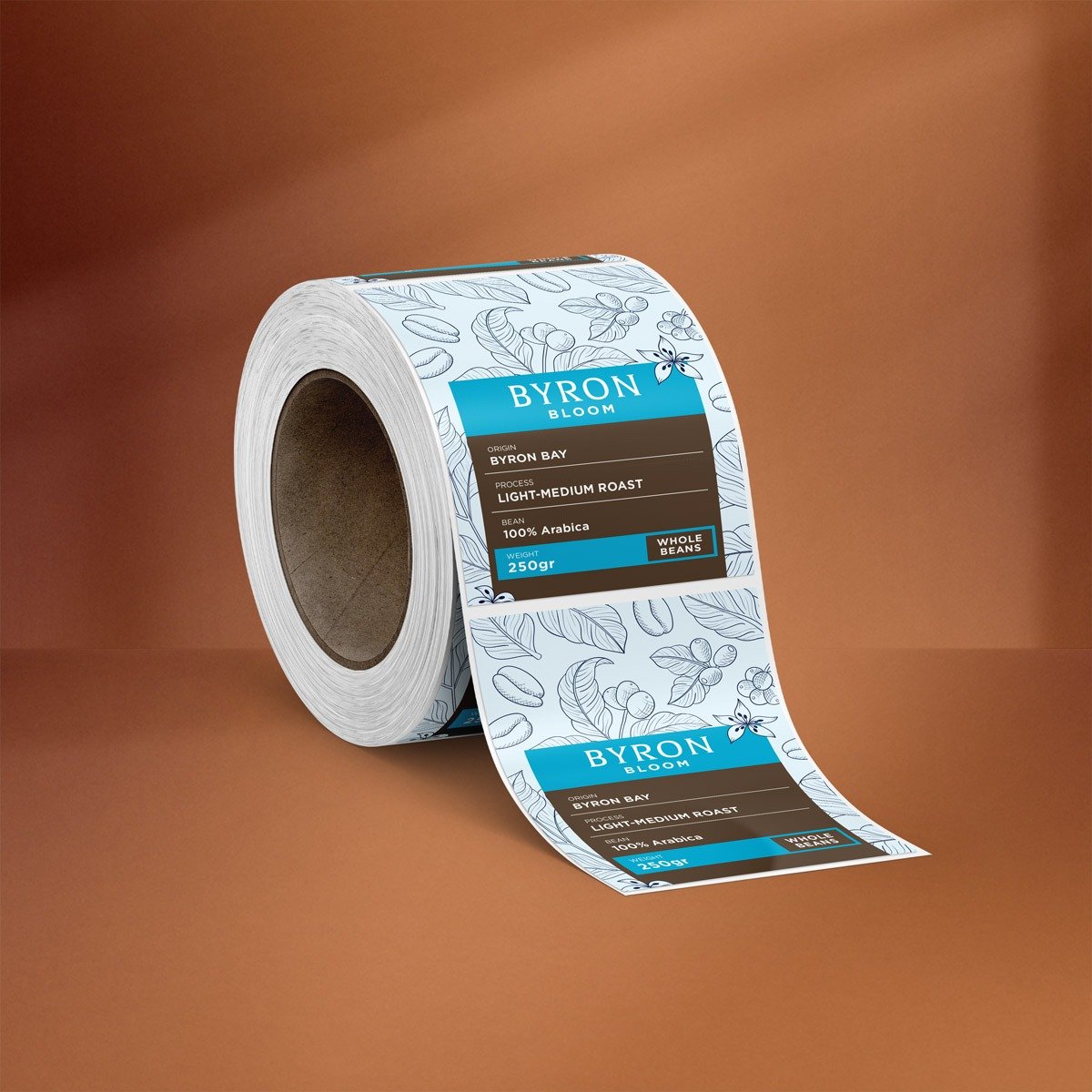
One Shape Family Does Most of the Heavy Lifting: A range looks unified when every product shares the same label shape or a scaled version of it, because repetition is what the eye registers as deliberate. Rounded rectangle for the big jars, the same rounded rectangle shrunk for the small ones. Custom labels in Australia get ordered in all sorts of sizes, so the shape is the easy anchor.
A Fixed Colour and Finish Rule Saves You Every Time: Setting a small palette and sticking to one finish across the range removes the guesswork from every future order, because the decision has already been made. Two brand colours, one accent, one finish. That kind of repetition builds the recognition that quietly supports customer retention, since shoppers reach for what they already trust on sight.
Looking Sharp without Turning Production into a Headache
One Stock across the Range Beats Mixing and Matching: Using a single label material across a range keeps colour and finish consistent between products, because the same ink sits differently on different stocks. Mixing materials is sometimes unavoidable when one product lives in the fridge and another sits in the pantry. The trick is keeping the design identical so the difference reads as intentional.
Short Print Runs Let You Grow without Gambling: Short digital runs suit small brands because they keep the upfront spend low and let artwork be adjusted between orders instead of being locked in for years. Bulk ordering drops the unit price, though it also freezes a design that might still be finding itself. Print what sells this quarter, not this decade.
Reordering Gets Easier with a Range Built to Repeat
Adding a New Product Stops Being a Design Project: A settled template means every new product only needs its own name and details dropped into an existing layout, rather than a fresh design brief each time. That keeps business growth from stalling on artwork, since adding a line becomes a twenty-minute job instead of a fortnight of back and forth. The tenth label should be easier than the first.
Consistent Files Save Money on Every Reprint: Keeping print-ready artwork in one consistent format cuts setup time on every reorder, since the printer is not rebuilding files from scratch each round. It also protects the range when staff change and nobody remembers which font was used. Good habits early mean fewer awkward surprises when a big retail order lands.
Small Decisions Worth Making before the Range Grows
A Quick Agreement That Keeps Every Reorder Boring: Most consistency problems come down to decisions nobody wrote down. Getting a few basics agreed now keeps every future order boring, which is the highest compliment a print job can receive. Worth locking in before the next round of custom labels in Australia gets ordered on a Friday afternoon in a hurry.
- Agree on one label shape family and scale it up or down instead of inventing new formats.
- Write down the exact colour values so every reorder matches the last one.
- Choose one finish for the core range and treat any exception as a deliberate decision.
- Keep a master artwork template that new products can be dropped straight into.
- Store print-ready files in one place so the next order does not start with a search party.
Getting the Whole Shelf Singing from One Song Sheet
A consistent range is not about spending more on design. It is about making the same few decisions once and repeating them, so every product looks like it belongs. Custom labels in Australia give small brands that consistency cheaply, as long as the shape, colour and finish rules are set before the orders start stacking up.
A range that looks like one brand earns trust faster than any individual label ever will, and it costs nothing extra to plan properly. Leaving it until there are nine mismatched products on the shelf just turns a simple decision into an expensive tidy-up. Have a chat with a label printer before the next order goes in.