Top Pond Fountains for Sale Combine Visual Appeal with Practical Aeration

A pond can look calm and clear while the water below the surface runs short on oxygen. Fish feel that shortfall first, often on warm nights. The top pond fountains for sale handle that quietly and efficiently. They add a moving display above the water and draw fresh oxygen into the surface layer.
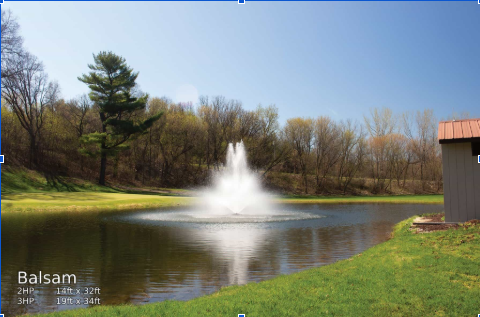
A floating fountain does two jobs at once. Its spray creates a lively display, and the falling droplets let oxygen dissolve into the pond. Choosing from the top pond fountains for sale gives you a display and surface aeration in one unit, and pond depth and fish load decide whether that alone is enough.
Low Oxygen Often Hides under a Calm Surface
Warm Nights and Oxygen Dips: Dissolved oxygen usually drops lowest just before dawn, because pond plants and algae stop producing it after dark while fish and bacteria keep consuming it. Warm water also holds less oxygen than cool water. In summer heat, a pond with no circulation can slip into stress overnight without any change you can see from the bank.
Delay Narrows the Recovery Options: Postponing aeration lets organic muck build on the bottom, where low oxygen slows its breakdown and feeds future algae blooms. In everyday pond care, technicians routinely see owners who waited until after a summer fish loss and then faced cleanup, restocking, and new equipment all at once. Acting early keeps the fix small.
See also: What Hospice Does Not Always Tell Families About End-of-Life Costs
Floating Fountains Pair Motion with Surface Oxygen
Spray, Splash, and Surface Exchange: A floating fountain adds oxygen by throwing water into the air and breaking up the surface, which widens the area where air and water meet. The pump also draws water from as deep as about six feet and pushes it outward, so circulation reaches beyond the spray. This keeps the upper layer fresher through warm weather.
Daily Display Value: A floating fountain turns a flat pond into the centerpiece of a yard through shape, sound, and movement. A crown, tulip, or tiered spray gives the water a clear center, and the splash softens traffic and neighborhood noise. Float-mounted lights carry the display into the evening, so the pond stays worth looking at after sunset.
Decorative Fountains versus Dedicated Aerators
Strength in the Upper Layer: Decorative fountains are built for appearance first, with an impeller and interchangeable nozzles that shape the spray. They aerate the upper zone well, which suits shallow ponds and ornamental water features. The trade-off is reach, since a deep pond can keep a cold, low-oxygen bottom layer that a surface display never touches.
Aerators That Reach the Bottom: Dedicated aerators circulate a pond top to bottom rather than put on a show. Surface aerating fountains use a propeller to move more water in a simple V-shaped spray. Bottom diffusers push air from a shoreline compressor to the pond floor, and the rising bubbles lift cold water up to mix the whole column.
Fish and Water Quality Guide the Choice
Koi and Goldfish Ponds: Ponds stocked with koi or goldfish need steady oxygen around the clock, and fish gathering at the surface at dawn signal a drop. A fountain alone often covers a shallow fish pond. Deeper ponds with heavy stocking benefit from a diffuser, and good koi pond maintenance includes aeration day and night through summer.
Algae, Muck, and Murky Water: Ponds with recurring algae, odor, or murky water usually need circulation that reaches all the way to the bottom. Oxygen at the pond floor helps beneficial bacteria break down muck that would otherwise release nutrients. Pairing aeration with oxygenating pond plants adds a natural layer of support, since submerged plants absorb nutrients that algae feed on.
Matching Equipment to Purpose and Upkeep Goals
Display-First, Fish-First, or Balanced Ponds: The right equipment depends on what the pond is for. A display-first pond under about six feet deep is well served by a decorative fountain alone. A fish-first or deep pond needs a dedicated aerator. The top pond fountains for sale work well beside a diffuser, so you get the display and deep circulation together.
Upkeep That Fits Your Schedule: Each system asks for a different level of upkeep. Fountains need occasional nozzle and intake cleaning, plus removal before ice forms in colder regions. Diffusers need little attention beyond compressor filter and diaphragm service. Comparing net flow rather than horsepower shows how much water a unit lifts, which is the number tied to aeration.
Quick Signals for Choosing Your Equipment
Pond Clues Worth Reading First: A few simple observations can point you toward the right system before you buy. Depth, fish behavior, and water clarity reveal more about aeration needs than pond size alone. Checking these signs over a week or two of warm weather gives you a clearer picture of what the pond actually needs.
- Wind-sheltered ponds get less natural mixing and rely more on aeration.
- Ponds deeper than about six feet often need a diffuser to reach bottom water.
- Recurring algae and smelly muck point to weak circulation near the floor.
- Shallow ornamental ponds usually do well with a decorative fountain alone.
- Owners who compare top pond fountains for sale by net flow judge aeration more accurately.
Water That Looks Good and Stays Healthy
The right fountain or aerator gives you a pond that looks alive on the surface and stays healthy below it. Waiting through another hot season lets muck build and leaves fish exposed to the next low-oxygen night. Get in touch today to match the top pond fountains for sale to your pond’s depth, fish load, and upkeep goals.