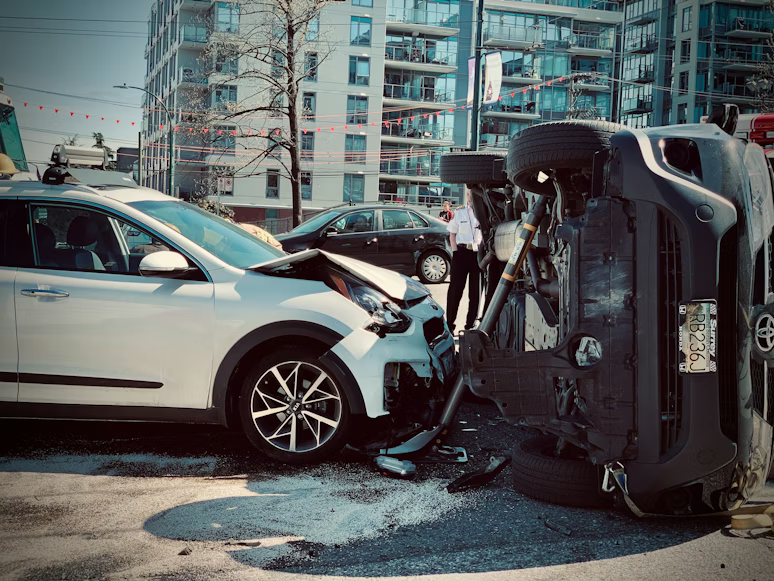
What to Do in the First 48 Hours After a Car Accident

A car accident is disorienting even when the damage looks minor. One second you are driving home from work and the next you are checking your hands for cuts and trying to remember the name of your insurance company. The first two days after a crash matter more than most people realize. What you do, write down, and ask for during this window often shapes the rest of your claim.
Most drivers have never been through this before. So the steps feel obvious in hindsight and bewildering in the moment. Resources like Lewis Legal Help collect plain-language guides on accident claims, personal injury attorneys, and state-specific rules, so you have somewhere to turn when the police report shows up and you do not know what half of it means. Here is what to focus on in those first 48 hours.
At the Scene
Pull over if it is safe. Switch on your hazard lights. Check yourself first, then your passengers, then the people in the other vehicle. Call 911 even if everyone seems fine. Adrenaline can hide injuries for hours, and a police report gives you an official record that insurance adjusters take seriously. Stay calm with the other driver. Do not apologize or admit fault. Stay vague about who pays for what. That conversation belongs to your insurer.
Take photos. A lot of them. The position of both cars before anyone moves them, skid marks, broken glass, the road, traffic signs, weather conditions, the inside of your car if anything shifted. Get the other driver’s license plate, insurance card, and license in the frame. If there are witnesses, ask for a name and phone number before they leave. Witnesses disappear fast.
The First Few Hours
See a doctor the same day if you can. Even if you walk away feeling lucky, soft tissue injuries and concussions often show up the next morning. A medical record from the day of the crash links your injuries to the accident. Wait three days and the insurer will argue you got hurt doing something else around the house.
Call your own insurance company before the other driver’s insurer calls you. Report the basic facts. Date, time, location, who was driving, where the cars were hit. Do not speculate about speed, fault, or how badly anyone is injured. If the other driver’s insurance calls, you can take their information without giving a recorded statement. You are allowed to say you will get back to them.
Days One and Two
Start a folder. Paper or digital, whichever you actually use. Put the police report number in it, your photos, the names of the doctors who saw you, every prescription you fill, every bill that arrives, and a daily note on how you feel physically. Pain levels, sleep quality, anything you cannot do at work that you could do before. This sounds tedious. It also wins claims.
Get the police report as soon as it is available. In some states it takes 48 hours, in others up to ten days. Read it carefully when it arrives. Officers make mistakes. Wrong direction of travel, wrong vehicle color, missing witnesses. You can request a correction if something is off, but you have to act before the report is finalized.
Stay off social media. Insurance companies look. A photo of you smiling at a friend’s barbecue the day after a crash will be used to argue you are not really hurt, even if you were sitting still and in pain the whole time. The same goes for posts about the accident itself. Anything you write online can end up in a deposition months later.
See also: The Future of Clean Technology
When to Call a Lawyer
You do not need an attorney for every fender bender. You should call one if anyone was injured, if the other driver was uninsured or fled the scene, if the police report assigns you fault when you know it should not, if the insurance company is delaying or lowballing, or if you are being pressured to sign a quick settlement. Most personal injury lawyers offer free consultations and work on contingency, which means no fee unless they win your case.
The day after a crash you will probably feel sore and behind on everything. Move at a steady pace and write things down as they happen. Trust your gut if something the other driver or insurer says does not sit right with you. Small details matter more than they look like they should.