What Homeowners Should Know Before Starting a Major Renovation: Lessons From a Veteran Construction Manager

Starting With Clear Expectations
With more than 40 years of experience in construction and home remodeling, Rick Bainbridge has seen a wide range of projects, from kitchens and bathrooms to full home renovations and additions. One consistent lesson stands out. Most problems on a project do not begin with the construction itself. They begin long before that, with unclear expectations.
Before any work starts, homeowners need to be clear about what they want, what they need, and what they are realistically willing to invest. A renovation is not just about selecting finishes or layouts. It is about making decisions that will affect how a home functions and feels for years.
When expectations are clear from the beginning, projects tend to move more smoothly. When they are not, confusion and frustration often show up later, once work is already underway.
Budgeting the Right Way
Budgeting is one of the most important parts of any renovation, but it is also one of the most misunderstood.
Many homeowners focus on the lowest number they are given without fully understanding what that number includes. A proper budget is not just a figure. It reflects the full scope of the project, including labor, materials, design work, and a realistic allowance for unexpected conditions.
In remodeling, surprises are common, especially in older homes. Once walls are opened, it is not unusual to find outdated wiring, plumbing issues, or structural concerns that were not visible at the start.
A realistic budget accounts for these possibilities from the beginning. Planning properly reduces stress and helps avoid constant adjustments once construction begins. It also keeps the project moving forward without unnecessary delays.
The Importance of Planning Before Construction Starts
One of the most important pieces of advice for any homeowner is simple. Do not rush the planning stage.
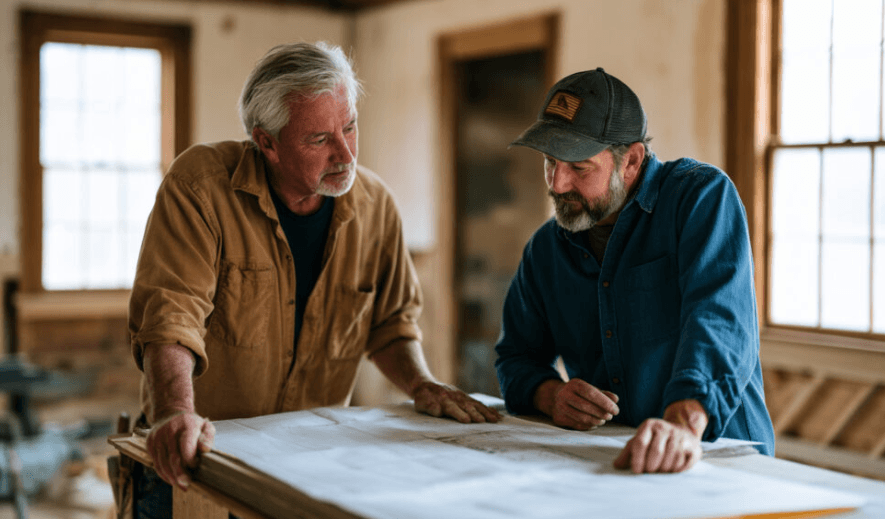
Successful construction starts long before any physical work begins. It starts with drawings, measurements, selections, and decisions about how the space will function and look. Every detail that is finalized early helps prevent confusion later.
When planning is rushed, changes are often made during construction. Those changes can lead to delays, additional costs, and frustration for everyone involved.
A well-thought-out plan gives the entire project a clear direction. It allows contractors and homeowners to stay aligned from start to finish.
Communication Matters More Than People Realize
Construction is not a one-person effort. It involves homeowners, contractors, trades, suppliers, and designers all working toward the same result. With so many moving parts, communication becomes essential.
Direct and clear communication helps prevent misunderstandings. It also ensures that decisions are made with full understanding of the impact they will have on the project.
Questions should be asked early, and concerns should be addressed as soon as they come up. Problems rarely improve when they are ignored. They improve when they are discussed openly and handled quickly.
Strong communication creates trust, and trust is what keeps a project steady when challenges arise.
Choosing the Right People for the Job
Selecting the right contractor is one of the most important decisions in any renovation. It is not just about price. It is about experience, reliability, and trust.
A qualified contractor should be able to clearly explain the process, set realistic expectations, and provide examples of completed work. They should also have a reputation for consistency and professionalism.
Good tradespeople take pride in their work. They show up when expected, communicate clearly, and care about the final outcome. That level of professionalism has a direct impact on the quality of the finished project.
Homeowners should feel comfortable asking questions and understanding exactly who will be working in their home. Transparency on both sides helps build confidence and reduces uncertainty.
Understanding That Not Everything Goes as Planned
Even with strong planning and experienced professionals, construction is still real work happening in real conditions. That means not everything will always go exactly as expected.
Delays can happen due to materials, scheduling, or unforeseen site conditions. Hidden issues may appear once work begins. Sometimes design adjustments are needed to make sure everything functions properly in the actual space.
The goal is not to eliminate every possible problem. The goal is to respond to them effectively when they arise. Experience plays a major role here. A skilled construction manager like Rick Bainbridge stays calm, evaluates the situation, communicates clearly, and keeps the project moving forward.
Homeowners who understand this reality early tend to have a more positive and less stressful experience throughout the process.
Why Hands-On Oversight Makes a Difference
A hands-on approach to construction management helps maintain consistency and clarity throughout a project.
When the same person responsible for estimating a job is also involved in overseeing it, there is less room for miscommunication. Decisions can be made faster, and details are less likely to be lost between different layers of management.
Direct involvement also allows for better alignment between planning and execution. It ensures that what was agreed upon at the start is what gets delivered in the end.
This level of oversight is a core part of how Rick Bainbridge operates, and it gives homeowners confidence that someone is actively engaged in every stage of the process.
Respecting the Home and the Process
A home is not just a job site. It is where people live their daily lives, and that should always be respected during construction.
Respecting a home means keeping the work area organized, minimizing disruption when possible, and being mindful of the people living there throughout the project. It also means treating every project with care, regardless of size or scope.
The way a project is managed during construction often leaves just as strong an impression as the final result. Homeowners remember how they were treated, how communication was handled, and how their home was respected along the way.
See also: Why Strong Businesses Are Designed Like Strong Systems
Final Thoughts From Years in the Field
After decades in construction and remodeling, Rick Bainbridge emphasizes a few core principles that remain consistent across every successful project.
Clear planning, honest communication, realistic expectations, and experienced professionals form the foundation of good work. While design trends and materials may change over time, these fundamentals do not.
Good construction is about doing the work properly, communicating clearly, and taking pride in the result.
Every home has its own story. The role of a construction manager is to help homeowners move that story forward in a way that is functional, thoughtful, and built to last.