Concrete Corrosion Repair: How to Restore Damaged Structures

It has a hard-exterior feel but no building is bullet proof. One of the main problems that remains to dismay engineers is corrosion of steel reinforcement over concrete. Moisture, chlorides, and other destructive materials can penetrate to the steel and start rust.
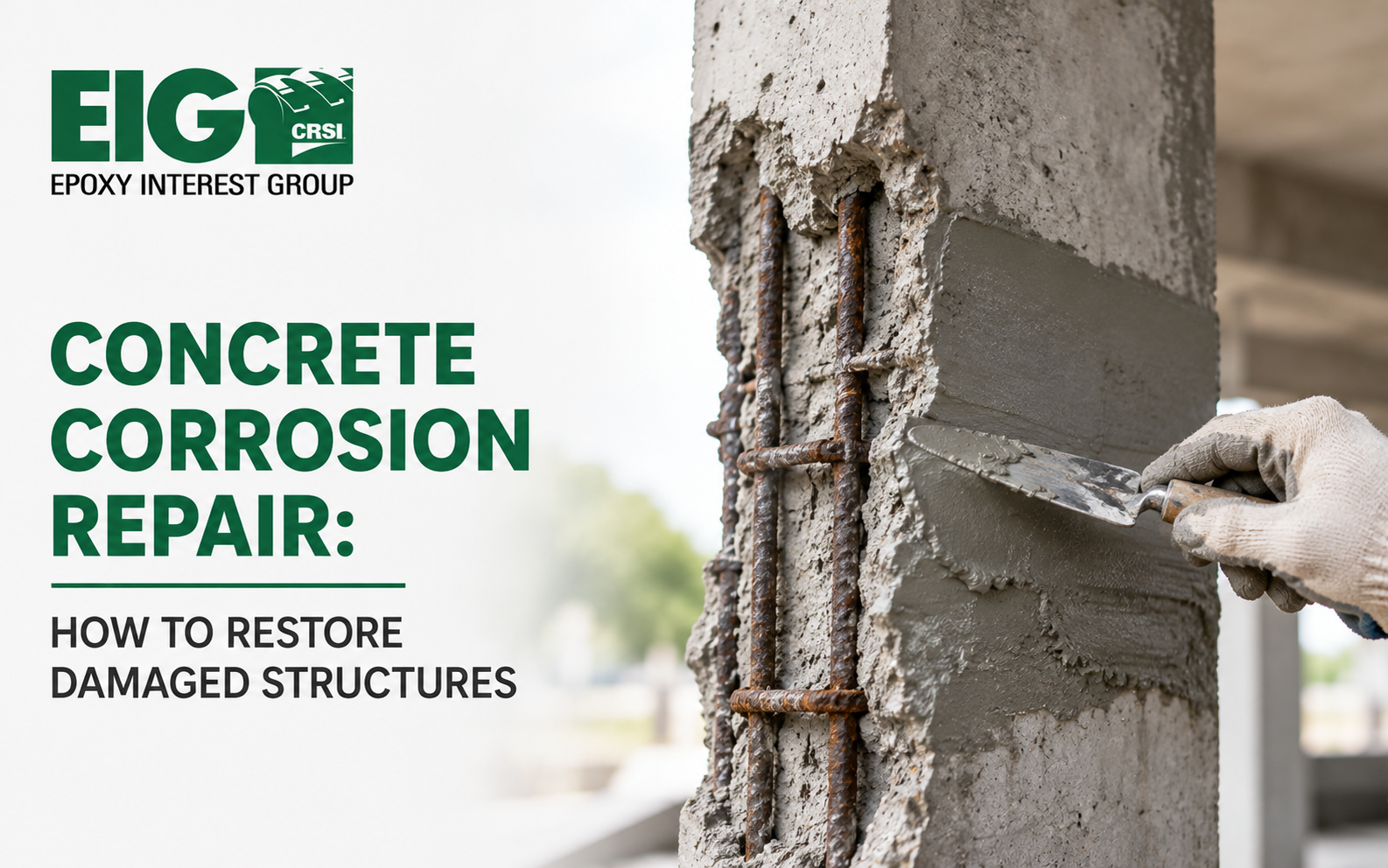
Rust will expand when it rusts, and that can cause stress on the surrounding concrete. From then on, you can observe cracks, discoloration, minor surface damages or even loose concrete particles. Timely addressing issues can save you from dealing with what starts as a minor defect turning into a major structural problem.
Spot the Warning Signs
Identifying the root cause as well as scale of damage is first step in concrete repair due to corrosion. Not always is the appearance of surface cracks sufficient to discover how grave the problem.
Common warning signs include:
- Rust-colored stains
- Cracked or broken concrete
- Concrete that has a hollow echo when tapped
- Exposed reinforcement
- Flaking or loose surface material
Only a proper assessment can tell whether corrosion is happening and to what extent.
See also: Emergency Possum Removal – 24/7 Rapid Response Wildlife Control Services
Repair Starts Below the Surface
Problem areas require more than a cover-up. The corrosion injuries caused by water and avoidable damage to the reinforcement can come back if it is not managed.
The repair procedures may include the removal of any loose or damaged concrete surrounding the steel elements, Conduct the cleaning and necessary treatment course on exposed reinforcement. The art of a concrete repair machine depends on repairing the damaged area with good concrete repair material.
The precise technique is contingent upon the framework, erosion level, presentation conditions, and undertaking necessities.
Choosing the Right Repair Approach
There’s no one solution for every structure. Effective concrete corrosion repair solutions not only correct observable defects, but also the underlying conditions that caused those defects.
Repair planning might include, depending on the project:
- Extent of reinforcement corrosion
- Concrete condition
- Moisture and chloride exposure
- Structural requirements
- Future protection needs
More protective treatment may even be applied to avoid further exposure of the metal structure to those corrosive agents in the future.
Prevention Matters After Repair
Performing concrete corrosion repair is one step in protecting a structure. Periodic inspection can detect new cracks and water entry, defect in the coating, or any other alarming signals before they become severe.
Preventing water and contaminants in these locations can also promote a longer service life.
Restore Today, Protect Tomorrow
You will never treat corrosion just as a cosmetic problem. It can damage concrete and the steel reinforcement that provides structural integrity.
Effective concrete corrosion repair can use these systematic solutions to restore damaged areas while treating the cause of deterioration as well. When properly assessed, repaired, and maintained, you can be assured that your concrete will remain a more durable safer and stronger structure for years to come.