How Riders Choose Gloves for Better Control in Different Weather

Motorcycle riding changes with the weather. A ride that feels smooth and comfortable on a mild spring afternoon can feel completely different on a hot summer day, a cool fall morning, or an evening ride after the temperature drops. Riders often think about jackets, vests, helmets, and boots when preparing for changing weather, but gloves are just as important.
A rider’s hands are always working. They control the throttle, clutch, brake, switches, signals, and handlebar grip. If the hands are too cold, too hot, sweaty, stiff, or uncomfortable, the rider’s control can suffer. This is why choosing the right gloves for different weather conditions is not just about comfort. It is about maintaining a steady connection with the motorcycle.
For American riders who deal with changing seasons, regional climates, highway winds, city traffic, and weekend road trips, glove selection matters. The right pair can improve grip, reduce fatigue, help manage temperature, and support better control in real riding conditions.
Why Weather Affects Hand Control
Weather has a direct effect on how the hands feel during a ride. Cold air can make fingers stiff and reduce comfort. Heat can cause sweaty palms, which may affect grip. Wind can dry the skin and make mild temperatures feel colder. Rain or humidity can make controls feel slippery if the rider is not prepared.
Unlike other parts of the body, the hands are constantly exposed and active. Even small discomfort can become distracting because riders use their hands so often. If gloves are too thick, the rider may lose sensitivity. If they are too thin for cold weather, fingers may become uncomfortable. If the material does not grip well, throttle and brake control may feel less secure.
This is why riders often own more than one pair of gloves. A single pair may work well in one season but not in another. Matching gloves to weather conditions helps riders stay comfortable and maintain smoother control.
Warm-Weather Glove Needs
Warm-weather riding brings its own challenges. Riders need gloves that allow comfort and airflow while still providing grip and control. In hot weather, hands can sweat quickly, especially during city traffic, long stops, or humid rides. Sweaty palms can make gloves feel slippery or uncomfortable.
Warm-weather gloves should feel flexible and breathable. Riders often look for lightweight materials, perforated leather, or designs that allow better airflow. The gloves should still fit securely and provide enough palm grip for throttle and brake control.
A common mistake is choosing gloves that are too loose for comfort in hot weather. Loose gloves may feel cooler at first, but they can shift around while riding. That movement may reduce control and create friction. A better choice is a glove that fits snugly but still allows air movement and natural finger motion.
Warm-weather gloves should also be comfortable during stops. Riders may remove and put them back on often, so ease of use matters. Gloves that become sticky, stiff, or difficult to wear can become frustrating during summer rides.
Cooler-Weather Glove Needs
Cooler weather can make riding more enjoyable, but it also makes glove choice more important. Hands are exposed to wind, and even mild temperatures can feel colder at highway speed. When fingers become cold, they may feel stiff, slow, or less responsive.
Cooler-weather gloves should provide more coverage and warmth without becoming too bulky. Riders need insulation or thicker material, but they still need to operate controls smoothly. A glove that is warm but too stiff can reduce confidence with the throttle, clutch, and brakes.
Leather gloves are often popular in cooler weather because they can help block wind and provide a secure feel. Some riders choose lined gloves for extra warmth. Others prefer slightly thicker leather that still allows good control.
A good cooler-weather glove should cover the wrist area well. Cold air entering at the wrist can make the hands uncomfortable quickly. Secure wrist closures help reduce wind entry and keep the gloves in place.
All-Weather Riding and Glove Flexibility
Some riders want gloves that work across multiple conditions. All-weather gloves can be useful for riders who do not want to carry several pairs, especially during mild seasons. These gloves usually try to balance comfort, coverage, and flexibility.
However, riders should be realistic. A glove that works well in spring and fall may not be ideal for extreme summer heat or winter cold. All-weather gloves are often best for moderate conditions, not weather extremes.
For many riders, the best approach is to build a small glove rotation. One pair for warm weather, one pair for cooler weather, and possibly one pair for wet or unpredictable conditions can cover most needs. This gives the rider more control over comfort without requiring a large gear collection.
Weather flexibility matters most during long rides. A route may start cool in the morning, warm up by afternoon, and cool down again after sunset. Riders who plan ahead can avoid uncomfortable hands later in the day.
Leather Gloves and Seasonal Riding
Leather has long been a trusted material in motorcycle apparel, and gloves are no exception. Riders choose leather because it offers grip, durability, classic style, and a comfortable feel once broken in. Depending on the design, leather gloves can work in several weather conditions.
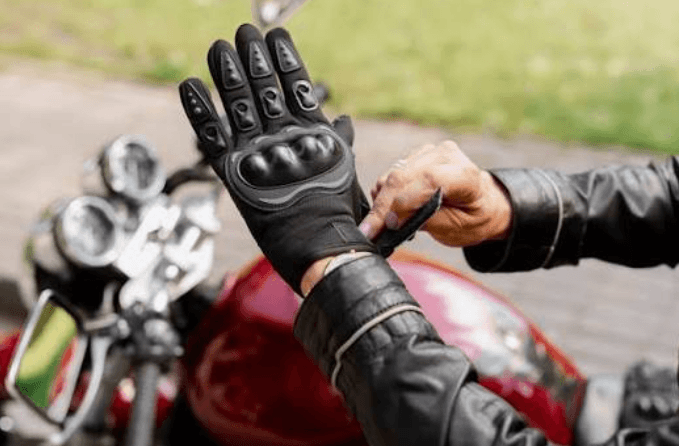
A pair of leather motorcycle gloves can be a strong choice for riders who want dependable grip and traditional road style. Leather can shape to the hand over time, making the gloves more comfortable with regular use. It also pairs naturally with other motorcycle gear like jackets, vests, boots, and chaps.
For warm weather, riders may look for lighter or perforated leather gloves. For cooler weather, lined or thicker leather gloves may be better. The key is choosing the right design for the expected conditions.
Leather gloves should also be cared for properly. Moisture, heat, and road grime can affect the material over time. Cleaning and conditioning when needed can help keep them comfortable and flexible.
Grip in Hot Weather
Grip can become a challenge in hot weather because sweat can build inside the glove. If the glove material does not manage moisture well, the rider’s hand may shift inside the glove. This can make control feel less precise.
Warm-weather gloves should provide a palm surface that holds the grips securely. The inside should also feel comfortable enough to prevent rubbing or slipping. Some riders prefer gloves with breathable panels or lighter lining to reduce sweat buildup.
City riders may notice this more than highway riders because stop-and-go traffic can increase heat. The hands may warm up quickly while the rider uses the clutch and brake repeatedly. Gloves that allow flexibility and airflow are helpful in these conditions.
Hot-weather grip is about balance. The glove should not be so thick that it traps heat, and it should not be so thin or loose that control feels weak.
Grip in Cold Weather
Cold weather affects grip differently. Instead of sweat, the main problem is stiffness. Cold fingers may not move as quickly or comfortably. If gloves are too thin, the rider may lose warmth. If gloves are too thick, the rider may lose control sensitivity.
A good cold-weather glove should keep the hand comfortable while still allowing the rider to feel the controls. The fingers should bend naturally, and the palm should not feel overly padded. Wrist coverage should help block wind.
Riders should also think about how long they will be on the road. A glove that works for a short cold ride may not be warm enough for a longer highway route. Wind exposure over time can make hands increasingly uncomfortable.
For cooler months, riders may need gloves designed specifically for lower temperatures. Better control begins with hands that stay warm enough to move naturally.
Gloves for Rain and Damp Conditions
Rain and damp weather can make glove choice more complicated. Wet gloves can become uncomfortable, heavy, or slippery depending on the material. Riders who expect rain should consider gloves designed to handle moisture better.
Not all leather gloves are ideal for wet conditions unless treated or designed for that purpose. Water can affect leather if it is not cared for properly. Some riders carry a rain-friendly pair or waterproof glove option for unpredictable weather.
Grip is especially important in wet conditions. The palm should maintain control on the throttle and grips. Wrist closures should keep the glove secure, and the material should not bunch or slide around.
Riders should also allow wet gloves to dry properly after a ride. Strong direct heat can damage some materials, especially leather. Natural drying and proper care help preserve glove quality.
Motorcycle Gloves for Everyday Weather Changes
Many riders deal with daily weather changes rather than extreme conditions. A morning ride to work may be cool, an afternoon ride may be hot, and an evening ride may be mild. For these riders, glove flexibility is important.
A dependable pair of motorcycle gloves can support everyday riding by giving the rider grip, comfort, and control across common conditions. The best choice depends on the rider’s local climate, ride length, and personal comfort needs.
Riders who live in warmer states may prioritize breathable gloves. Riders in cooler regions may prefer gloves with more coverage. Riders who travel through different areas may keep an extra pair in their bags.
Everyday glove choice should be practical. Riders should choose gloves they will actually wear consistently, not gloves that only work in one perfect condition.
Fit Is Important in Every Weather
No matter the weather, fit is one of the most important parts of glove performance. Gloves should feel secure without being painful. The fingers should have enough room to move, but not so much that the material folds or slides. The palm should sit smoothly against the hand.
In warm weather, gloves that are too tight can feel hotter and more uncomfortable. In cold weather, tight gloves can reduce circulation and make hands feel colder. Gloves that are too loose can reduce control in any weather.
Riders should test gloves by gripping handlebars or making a fist. They should check whether the fingertips feel cramped, whether the palm bunches, and whether the wrist closure feels secure. The glove should allow clutch and brake operation without strain.
A proper fit helps the glove do its job. Without it, even high-quality gloves may feel wrong.
Wrist Closure and Weather Protection
Wrist closure affects comfort in different weather conditions. In warm weather, riders may want a closure that feels secure but not overly tight. In cooler weather, a snug wrist helps reduce wind entry. In wet weather, wrist design can affect how much moisture enters the glove.
Different gloves use different closure systems, including snaps, straps, elastic, or hook-and-loop closures. The best option depends on the rider’s preference and riding conditions. What matters most is that the glove stays in place and feels comfortable.
A loose wrist can allow the glove to shift or let cold air in. A closure that is too tight can become uncomfortable. Riders should adjust gloves before starting the ride and check how they feel after several minutes on the road.
Palm Thickness and Control Feel
Palm thickness affects how much feedback the rider gets from the motorcycle. Thin palms may provide better sensitivity but may not feel as durable or comfortable for long rides. Thick palms may feel stronger but can reduce control feel if they are too bulky.
Weather also affects palm preference. In warm weather, riders may prefer lighter palms for comfort. In cooler weather, slightly thicker palms may help with warmth. In long-distance riding, palm comfort becomes especially important because pressure builds over time.
The palm should help the rider maintain steady grip without creating pressure points. Seams should not rub or press into the hand. Reinforcement should be useful but not overly stiff.
Good palm design supports both comfort and control.
Finger Movement and Control Access
Riders need to operate more than just the handlebars. They use signals, switches, helmet straps, keys, zippers, and small items during stops. Gloves should allow enough finger movement for these tasks.
Weather-specific gloves can sometimes reduce dexterity. Cold-weather gloves may be thicker, while rain gloves may feel different because of waterproof materials. Riders should make sure they can still operate the motorcycle naturally.
If gloves make simple actions difficult, they may not be ideal for regular use. Control should feel smooth and predictable. Riders should not have to fight the gloves to use the bike.
Finger flexibility is one of the most important features for confidence in changing weather.
Matching Gloves to Ride Length
Ride length should influence glove choice. For a short local ride, a rider may be comfortable with lighter gloves. For a full-day ride, comfort and weather planning become more important. For highway trips, wind exposure matters more.
Longer rides often require more careful glove selection because hands stay in one position for extended periods. Pressure points, temperature discomfort, or poor fit can become more noticeable. Riders may also want to carry a second pair if the weather is expected to change.
A rider planning a day trip should think about the coldest and warmest parts of the ride, not only the starting temperature. Gloves should support the full route.
Caring for Gloves After Weather Exposure
Different weather conditions affect gloves differently. Heat and sweat can cause odor and stiffness. Rain can make gloves damp and heavy. Cold weather may make some materials feel stiff. Road dust and grime can build up over time.
Riders should let gloves air out after use. Leather gloves should be dried naturally if damp and conditioned when appropriate. Gloves should not be stored wet or crushed under heavy gear. Proper care helps them keep their shape and comfort.
Regular inspection is also important. Worn palms, loose stitching, damaged closures, or stiff material may reduce performance. Since gloves are essential for control, riders should replace or repair them when needed.
Building a Practical Glove Setup
A practical glove setup does not need to be complicated. Many riders can cover most conditions with two or three pairs. A warm-weather pair, a cooler-weather pair, and a rain-friendly or backup pair can handle many riding situations.
Riders should choose based on local climate and riding style. Someone in Florida may need breathable gloves most of the year. Someone in Ohio or Pennsylvania may need gloves for spring, summer, and fall. Someone who tours across states may want multiple options.
The goal is simple: keep hands comfortable and controls easy to manage. When gloves match the weather, the entire ride feels better.
See also: Automate or Die: Why Manual Receipts Are Holding Back Your Trade Business
Final Thoughts
Riders choose gloves for different weather because hand comfort directly affects road control. Hot weather, cold air, wind, rain, and changing temperatures all create different challenges. The right gloves help riders maintain grip, reduce fatigue, and operate the motorcycle with confidence.
Fit, material, palm design, wrist closure, finger movement, and seasonal comfort all matter. Riders who pay attention to these details are more likely to choose gloves that work well in real conditions.
For American motorcyclists who ride through different seasons and climates, gloves are not just small accessories. They are essential riding apparel. When hands stay comfortable and connected to the controls, every ride becomes smoother, safer-feeling, and more enjoyable.