What’s the Difference Between a Rashie and a Wetsuit?

People often assume a rashie and a wetsuit do the same job, but they are actually built for quite different purposes. One is mainly about protecting your skin from the sun and chafing, while the other is about keeping you warm in cold water. Knowing which is which saves you from being too cold on a chilly swim or overdressed on a warm one. This guide gives you a clear side-by-side explanation of how the two differ, so you know exactly which to reach for and when. By the end, choosing between them will be simple.
A Quick Definition of Each
Before comparing the two, it helps to define them. A rashie, also known as a rash guard or rash vest, is a thin, fitted, quick-dry top designed mainly for sun and abrasion protection. A wetsuit, on the other hand, is a thicker neoprene suit built to trap warmth and keep you comfortable in cold water. While they might look like they belong in the same category, the real differences come down to what each one is designed to do, which shapes everything from the material to when you would wear it.
What Is a Rashie Used For?
A rashie has a few core jobs. Its main purpose is sun protection, with most offering UPF 50+ to block the vast majority of UV rays. It also prevents chafing, whether from a surfboard, sand, or repetitive movement in the water, and it dries quickly after you get out. On warm days, it provides light, comfortable coverage without overheating you. Rashies were originally developed by surfers, but today they are everyday beach and pool wear for people of all ages, worn for everything from swimming to snorkelling.
What Is a Wetsuit Used For?
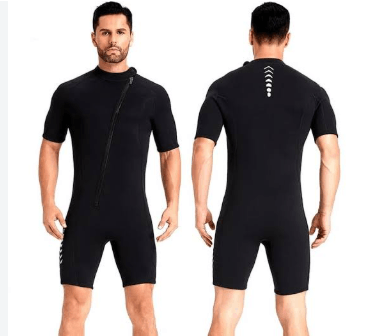
A wetsuit exists for one main reason: warmth. Made from thick neoprene, it works by trapping a thin layer of water against your skin, which your body then heats, keeping you comfortable even in cold conditions. As a bonus, neoprene also adds buoyancy, helping you float more easily. This makes a wetsuit the go-to choice for cold-water swimming, surfing, and diving, where staying warm is essential for both comfort and safety over longer periods in the water.
The Key Differences at a Glance
The simplest way to compare the two is side by side. Their main purpose differs, with a rashie focused on sun and chafe protection and a wetsuit on warmth. The materials differ too, thin polyester and spandex for a rashie versus thick neoprene for a wetsuit. A rashie offers minimal warmth and no real buoyancy, while a wetsuit provides significant warmth and added buoyancy. A rashie suits warm water, whereas a wetsuit is made for cool to cold water. Finally, a rashie is easy to slip on and off, while a wetsuit is snug and takes more effort to put on. These differences all trace back to their contrasting purposes.
When Should You Wear a Rashie?
A rashie is the right choice whenever your main concerns are sun and comfort rather than warmth. It is ideal for warm, sunny days at the pool or beach, for snorkelling in warm water, and for any activity where you want protection from UV and chafing without overheating. It also works well layered under a wetsuit to add comfort and make the suit easier to remove. If you want something you can wear all day in and out of the water, a quality rashie is a versatile option worth having in your kit.
When Should You Wear a Wetsuit?
Reach for a wetsuit whenever staying warm is the priority. That means cold water, longer swims, and open water during cooler seasons, as well as surfing and diving where warmth makes a real difference to how long you can stay in comfortably. One thing to keep in mind is that wetsuits come in different thicknesses, and the colder the water, the thicker the suit you will want. Matching the thickness to the water temperature is key to staying comfortable.
Can You Wear a Rashie Under a Wetsuit?
Yes, and it is a popular combination. Wearing a rashie under your wetsuit can improve comfort, reduce chafing against the neoprene, and make the wetsuit noticeably easier to slide on and off. For this to work well, the rashie needs to fit snugly, so it sits smoothly against your skin rather than bunching up. Many regular water users layer the two for exactly these reasons, getting the best of both pieces of gear.
Which One Do You Actually Need?
The decision comes down to temperature and activity. If your main concerns are sun protection and comfort in warm water, a rashie is all you need. If you need to stay warm in cold water, a wetsuit is essential. Many water users own both and simply choose based on the conditions on the day. It is also worth knowing there are middle options, such as thermal tops, that bridge the gap for in-between temperatures when a rashie is not quite enough but a full wetsuit is too much.
See also: What Makes a Conference Room Genuinely Effective for Business Meetings
Frequently Asked Questions
Is a rashie the same as a wetsuit?
No. A rashie is a thin top for sun and chafe protection, while a wetsuit is a thick neoprene suit designed to keep you warm in cold water.
Does a rashie keep you warm?
Only minimally. A rashie adds a light layer, but it is not designed for warmth. For cold water, you need a wetsuit or a thermal top.
Can you wear a rashie instead of a wetsuit?
In warm water, yes. In cold water, no. A rashie does not provide the thermal insulation that a wetsuit does.
What do you wear under a wetsuit?
Many people wear a snug rashie or swimwear under a wetsuit for comfort, to reduce chafing, and to make the suit easier to put on and take off.
Summing Up
The core distinction is straightforward. A rashie protects against sun and chafing in warm conditions, while a wetsuit keeps you warm in cold water, and the right choice comes down to temperature and activity. For many people, owning both means being ready for whatever the water throws at them. Think about where and when you swim most, and choose accordingly. If you are ready to gear up, explore a rashie or wetsuit range and pick the option that fits your conditions.