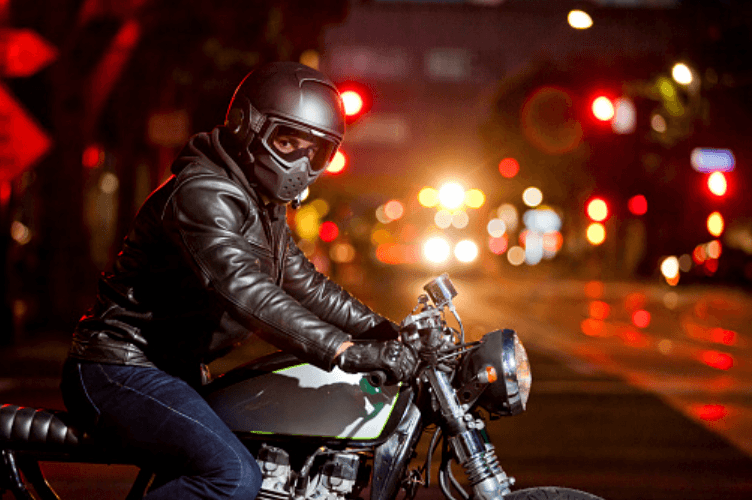
Essential Motorcycle Safety Tips for Riding at Night

Riding a motorcycle comes with inherent risks, and those risks climb significantly after dark. Reduced visibility affects both the rider and surrounding drivers, making nighttime rides far more dangerous than daytime ones.
Despite these dangers, injured riders are sometimes unfairly blamed for accidents based on assumptions about recklessness. In reality, most nighttime motorcycle accidents come down to visibility and awareness, not rider carelessness.
The good news is that specific precautions can meaningfully reduce risk. Below are proven strategies for staying safe when riding at night.
Why Nighttime Riding Carries Greater Risk
Visibility drops substantially once the sun sets, and the numbers reflect it. Nearly half of all motorcycle fatalities occur after dark, largely because both riders and drivers struggle to see hazards in time to react.
A defensive riding mindset becomes essential once visibility drops. The following habits can help riders stay safer when riding at night.
Maintain a Safe Following Distance
Limited visibility means less time to react to sudden stops. Leave at least three seconds of space between your motorcycle and the vehicle ahead.
This buffer gives you more time to brake safely if traffic ahead slows unexpectedly.
Stay Alert for Wildlife
Animal activity increases significantly after dark. Squirrels, deer, and other wildlife are more likely to dart across roads in search of food or water during nighttime hours.
A collision with even a small animal can cause serious injury to a rider. Staying alert for movement along the roadside is critical.
Slow Down
Riders face greater danger than other motorists in low-light conditions, so reducing speed matters. This holds true whether you’re on a familiar route or unfamiliar terrain.
Lower speeds give you more time to respond to sudden hazards, including impaired drivers, animals, or unexpected braking from vehicles ahead.
Watch the Vehicle Ahead
Following behind another vehicle at night can actually work in your favor. Bouncing taillights often signal uneven pavement ahead.
The lead vehicle’s headlights can also illuminate the road surface, helping you spot hazards earlier, especially in poor weather or on dimly lit stretches.
Avoid Staring Into Oncoming Headlights
Looking directly into oncoming headlights can cause temporary blindness. Instead, focus on the right lane line to reduce glare while staying oriented within your lane.
Avoid looking down at the road directly in front of your wheel, as this can compromise steering control.
Stay Alert for Fatigued and Impaired Drivers
Nighttime driving carries higher risks from fatigue, distraction, and impaired motorists. Lighter traffic can also tempt some drivers to speed.
Staying defensive and scanning your surroundings constantly is one of the most important habits when riding at night.
Position Near the Center Line
Riding closer to the center line, rather than hugging the road’s edge, increases your visibility to oncoming and surrounding traffic. Use lane markings to stay oriented if oncoming headlights briefly affect your vision.
Preparing Your Motorcycle and Gear
Taking precautions before you ever start the engine can meaningfully reduce risk once you’re on the road.
Upgrade Your Lighting
Standard headlights, tail lights, and turn signals may not provide enough visibility on their own. Several upgrades can help.
- HID headlight kits offer stronger, more focused light than standard halogen bulbs, improving visibility at greater distances.
- LED headlight kits last longer, use less energy, and produce a sharp, focused beam that improves how well you see and are seen.
- Auxiliary lights, such as fog or driving lights, widen your field of illumination and reduce eye strain during long rides.
- Brake light flashers pulse when braking instead of staying steady, which draws attention faster and may help prevent rear-end collisions.
Wear the Right Gear
Proper gear does more than protect you physically. It also plays a major role in whether other drivers can see you at all.
High-visibility clothing in bright or fluorescent colors, paired with reflective piping, makes a noticeable difference after dark. Reflective tape applied to your helmet, jacket, and motorcycle further increases how visible you are to nearby traffic.
Adjusting to Different Riding Conditions
Motorcyclists face a dramatically higher fatality risk than occupants of other vehicles, and nighttime riding only increases that gap. Reduced visibility, fog, and impaired drivers all compound the danger.
Slowing down, increasing following distance, and staying especially cautious at intersections can all help offset these added risks.
Fog lights or low beams can improve visibility in foggy conditions. Combined with high-visibility gear and reflective materials, these adjustments help reduce your overall risk profile.
Riding style should also shift depending on environment. Congested areas bring more traffic, pedestrians, and road hazards, while rural roads carry a greater risk from wildlife and debris.
Adapting your speed and following distance to match your surroundings is one of the simplest ways to reduce risk when riding at night.
See also: Public Liability Injury Claims Made Simple with Expert Lawyers
Final Preparations Before You Ride
Before heading out after dark, check that all your motorcycle’s lights are functioning correctly. Consider upgrading to LED or auxiliary lighting if your current setup feels insufficient.
Put on high-visibility gear, including a reflective jacket and a clear visor. Check the weather forecast ahead of time so you can anticipate fog, rain, or debris on the road.
How an Experienced Attorney Can Help After a Motorcycle Accident
Even the most careful riders can end up in an accident caused by someone else’s negligence. When that happens, the aftermath can feel overwhelming, especially while recovering from an injury.
An experienced motorcycle accident attorney understands how insurance companies evaluate these claims and what evidence strengthens a case. They can investigate the circumstances of the crash, gather supporting documentation, and negotiate with insurers on your behalf.
Riders are too often unfairly blamed for accidents that were not their fault. A knowledgeable attorney can push back against those assumptions and fight to secure the compensation you deserve.
If you or a loved one has been injured in a motorcycle accident, speaking with a skilled personal injury law firm can help protect your rights and guide you through the legal process from start to finish.