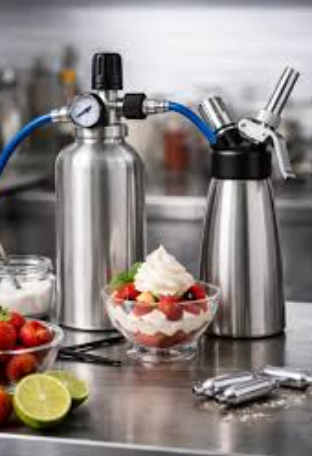
Bulk Nitrous Oxide: Safe and Responsible Culinary Considerations

Professional food businesses often look for efficient ways to manage ingredients, equipment, and preparation processes. In commercial kitchens, culinary aeration systems can support the preparation of whipped cream and other food applications. When businesses consider bulk nitrous oxide, the most important factors should be product suitability, safe handling, equipment compatibility, storage, and responsible workplace procedures.
Nitrous oxide used for legitimate culinary purposes is associated with food preparation equipment such as cream dispensers. However, it is a pressurized gas, so businesses should approach its handling with the same care they would apply to other specialized kitchen supplies. Understanding the basic considerations can help restaurants, cafés, bakeries, caterers, and hospitality teams develop safer and more organized procedures.
Understanding Culinary Nitrous Oxide
Nitrous oxide is used in certain food-preparation systems to aerate ingredients. One of its best-known culinary applications is the preparation of whipped cream using a compatible dispenser.
The gas works as part of a controlled food-preparation process rather than as an ingredient that should be handled independently. For this reason, businesses should always follow the instructions supplied with their equipment and use products specifically intended for the relevant culinary application.
Food-service operators should also distinguish between legitimate culinary use and other uses that are outside the intended purpose of food-grade equipment.
Why Commercial Kitchens Need Clear Procedures
Restaurants and other food businesses may have several employees using the same equipment. Without clear procedures, even simple tasks can become inconsistent.
A kitchen can establish guidelines covering:
- Storage of pressurized containers
- Equipment compatibility
- Staff training
- Food-contact equipment cleaning
- Safe handling
- Waste disposal
- Inspection of equipment before use
Written procedures can be particularly useful in busy environments because employees can refer to the same standards regardless of who is responsible for preparation.
Choosing Products for Culinary Applications
When evaluating products for food preparation, businesses should focus on suitability rather than simply quantity.
A product intended for culinary applications should be appropriate for the equipment being used. The manufacturer’s specifications should be reviewed before integrating any charger or cylinder into a kitchen workflow.
Businesses should also consider product integrity and packaging. Containers should be inspected for visible damage and handled according to the manufacturer’s recommendations.
If a company is researching bulk nitrous oxide for legitimate culinary operations, it is important to evaluate the complete handling process, including storage and equipment requirements, rather than focusing only on supply volume.
Storage Is an Important Consideration
Because nitrous oxide is stored under pressure, storage conditions deserve particular attention.
Businesses should follow the manufacturer’s storage instructions and applicable local safety requirements. Containers should be protected from excessive heat, direct sunlight, impact, and other conditions that could compromise their integrity.
A designated storage area can help keep pressurized products organized. Employees should know which products are stored there and understand the appropriate handling procedures.
Storage areas should also be kept orderly so that containers are not unnecessarily exposed to physical damage or unsuitable conditions.
Equipment Compatibility
One of the most important practical considerations is compatibility between the gas container and the equipment.
Not every dispenser or culinary system is designed to work with every type of container. Kitchen staff should therefore consult the manufacturer’s documentation before connecting any component.
Using equipment outside its specified design can create performance and safety problems. Businesses should never improvise connections, modify components, or attempt to adapt pressurized equipment without appropriate manufacturer guidance.
A simple compatibility check before use can prevent many avoidable problems.
Food Safety and Equipment Hygiene
Nitrous oxide is only one part of the food-preparation process. Clean equipment remains essential when preparing whipped cream or other food products.
Dispensers and food-contact components should be cleaned according to their manufacturer’s instructions. Removable parts should receive appropriate attention, especially areas where cream or other ingredients may remain after use.
Commercial kitchens should include these tasks in their regular cleaning schedules. Staff training can help ensure that cleaning procedures are followed consistently.
Proper refrigeration and handling of ingredients are equally important. Culinary equipment cannot compensate for poor food-storage practices.
Training Kitchen Staff
Businesses using specialized culinary equipment should make sure employees understand how it operates.
Training does not need to be complicated. Staff should know:
- Which equipment is compatible.
- How to inspect equipment before use.
- How to follow manufacturer instructions.
- Where pressurized containers should be stored.
- What conditions should be avoided.
- How food-contact equipment should be cleaned.
- How used containers should be handled and disposed of.
Training is particularly important when new employees join a kitchen team. A short introduction to equipment procedures can help establish consistent habits from the beginning.
Managing Supply Responsibly
Commercial kitchens should organize supplies according to their actual operational requirements. Keeping an appropriate inventory can make preparation easier while reducing unnecessary storage.
Inventory procedures can include checking product condition, recording supplies where appropriate, and ensuring that containers are stored in designated areas.
Rather than treating pressurized culinary products like ordinary dry ingredients, businesses should include them within their equipment and safety management procedures.
This approach can help managers maintain better oversight of specialized supplies.
Avoiding Common Mistakes
Several mistakes can be avoided through basic preparation and staff awareness.
Using an incompatible dispenser is one potential problem. Another is storing pressurized containers in unsuitable conditions. Damaged containers should not be used, and staff should not attempt to repair or modify them.
Businesses should also avoid using culinary nitrous oxide equipment for purposes outside the manufacturer’s intended application.
Following documented instructions is generally safer than relying on assumptions or informal methods passed between employees.
Building a Safer Culinary Workflow
A professional kitchen works best when safety is incorporated into everyday operations rather than treated as a separate task.
For example, a business can create a simple workflow:
Inspect → Prepare → Use as instructed → Clean → Store
Before preparation, employees can inspect the equipment and confirm compatibility. During use, they should follow the manufacturer’s directions. After preparation, food-contact components should be cleaned appropriately, while pressurized products should be stored correctly.
This straightforward approach can support both efficiency and responsible handling.
The Role of Responsible Use
Culinary nitrous oxide products should remain within their intended food-service context. Businesses have a responsibility to ensure that employees understand the purpose of the equipment and follow appropriate safety procedures.
Managers can reinforce this by keeping manufacturer documentation accessible, providing staff training, and establishing clear storage and disposal practices.
Responsible use protects employees, supports food-quality standards, and helps businesses maintain a professional kitchen environment.
FAQs
1. What is nitrous oxide used for in professional kitchens?
In legitimate culinary applications, nitrous oxide can be used with compatible equipment to aerate ingredients, most commonly for preparing whipped cream.
2. How should pressurized culinary containers be stored?
They should be stored according to manufacturer instructions and applicable safety requirements, with protection from excessive heat, direct sunlight, impact, and other damaging conditions.
3. Can any culinary dispenser use any nitrous oxide container?
No. Compatibility depends on the specific equipment and container. Users should always consult the manufacturer’s instructions before connecting or operating components.
See also: Why Scripto Agency Is the Right Choice for Modern Website Design in the USA
Conclusion
For professional kitchens, managing bulk nitrous oxide responsibly requires more than considering supply quantity. Product suitability, equipment compatibility, storage, staff training, hygiene, and safe handling should all be part of the decision-making process.
When used strictly for legitimate culinary applications and according to manufacturer guidance, appropriate equipment can support efficient food preparation. A well-organized kitchen that combines proper training with clear handling procedures can maintain a safer and more consistent workflow.