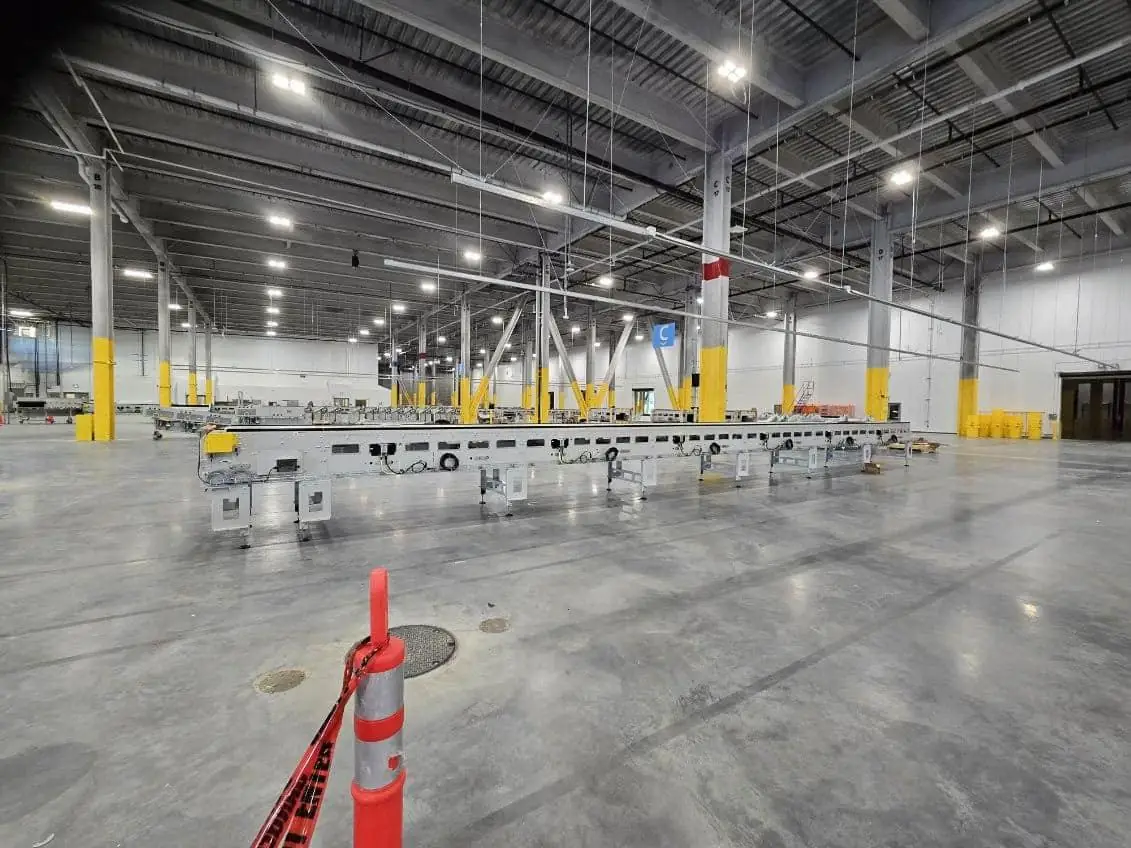
How Construction Planning Can Reduce Disruptions to Business Operations

Construction work inside or around an operating business can create challenges that extend beyond the construction site. Employees may need to work around changing access routes, equipment movement, noise, deliveries, temporary closures, and changes to normal workflows. Without detailed preparation, these issues can interfere with daily operations.
Construction planning helps businesses identify potential disruptions before work begins and develop practical strategies to manage them. By coordinating schedules, access, communication, safety procedures, and construction activities, Industrial Construction Services can be integrated more effectively into an active business environment. An experienced construction general contractor can also help coordinate construction requirements with operational priorities.
Understand How Construction Can Affect Daily Operations
The first step toward reducing disruption is understanding how construction activities may interact with normal business processes. Every facility has different operating schedules, customer requirements, employee movements, equipment needs, and delivery patterns.
A construction plan should therefore consider the business environment as carefully as the physical construction requirements. This allows project teams to identify activities that could interfere with important operations and determine how those activities can be scheduled or managed.
Map Business-Critical Activities
Businesses should identify activities that cannot easily be interrupted. These may include production processes, customer access, shipping operations, inventory movement, equipment use, or scheduled deliveries.
Mapping these activities provides a clearer picture of when and where construction could create problems. Project teams can then adjust construction sequencing around important operational periods.
A useful planning exercise can identify:
- Peak operating hours
- Critical production periods
- Customer access requirements
- Delivery and shipping schedules
- Employee entry and exit routes
- Essential equipment locations
This information allows construction teams to work around business priorities wherever practical.
Identify Shared Spaces
Construction projects often involve areas that are also used by employees, contractors, suppliers, or customers. Shared spaces require particularly careful planning because construction activity can affect normal movement.
Teams should identify shared entrances, corridors, loading areas, parking zones, storage spaces, utility rooms, and other areas that may be affected.
Temporary routes or access arrangements can then be planned before construction begins. Clear separation between construction activities and business operations can help maintain more predictable daily workflows.
Develop a Phased Construction Schedule
A major construction project does not always need to affect the entire facility at once. Phased construction can divide work into manageable sections, allowing business operations to continue in unaffected areas.
The specific approach depends on the facility, project scope, and operational requirements. However, careful sequencing can provide greater flexibility than attempting to complete all construction activities simultaneously.
Prioritize Work by Operational Impact
Construction activities should be reviewed according to their potential effect on business operations. High-impact activities can sometimes be scheduled during quieter periods, weekends, planned shutdowns, or other suitable windows.
For example, work affecting a major access route may be scheduled when fewer deliveries are expected. Similarly, activities involving temporary utility interruptions may be coordinated with planned maintenance periods.
Prioritization can consider:
- Operational importance
- Expected duration
- Noise or equipment requirements
- Access restrictions
- Utility dependencies
- Employee and customer movement
This approach helps project teams build schedules that reflect the realities of the operating business.
Use Temporary Arrangements Where Practical
Temporary facilities and alternative routes can help businesses maintain essential activities while construction progresses. Depending on the project, this could include temporary entrances, relocated workstations, alternative storage areas, or adjusted delivery routes.
These arrangements should be planned rather than introduced at the last minute. Employees and other stakeholders should know where temporary areas are located and when the changes will take effect.
A well-planned temporary arrangement can provide continuity while allowing construction teams to complete work in areas that would otherwise interfere with daily activities.
Coordinate Contractors and Site Activities
Construction sites involve multiple teams performing different activities. Without proper coordination, contractors may unintentionally interfere with business operations or with one another.
Strong coordination helps ensure that work is performed in the correct sequence and that site activities are aligned with the broader construction schedule.
Coordinate Daily Construction Activities
Daily planning meetings or scheduled coordination updates can help construction teams understand upcoming activities. These discussions can cover deliveries, equipment movement, access requirements, utility work, and changes to the site environment.
The construction general contractor can play an important role in coordinating these activities and communicating relevant information to project stakeholders.
Effective coordination should address:
- Planned work for the day
- Material deliveries
- Equipment movement
- Restricted areas
- Access changes
- Upcoming operational impacts
Consistent communication helps reduce surprises and gives businesses time to adjust their own activities when necessary.
Manage Deliveries and Equipment Movement
Construction deliveries can create congestion when they overlap with normal business traffic. Large materials or equipment may also require specific access arrangements.
Delivery schedules should therefore be coordinated with the business’s existing logistics activities. Construction teams should know where vehicles can enter, where materials can be unloaded, and how long unloading is expected to take.
Advance coordination can reduce conflicts between construction traffic and normal business deliveries. It also helps maintain clearer access routes throughout the project.
Maintain Clear Communication With Employees
Construction changes can affect employees even when they are not directly involved in the project. Workers may encounter temporary entrances, relocated equipment, restricted areas, or changes to normal movement patterns.
Clear communication helps employees understand what is changing and why. It also gives them an opportunity to raise practical concerns before construction activities affect their daily routines.
Provide Regular Construction Updates
Businesses should establish a consistent process for sharing construction information. Updates can explain upcoming activities, expected changes, access restrictions, and important dates.
Communication methods may include scheduled meetings, internal notices, digital updates, or site signage. The appropriate method depends on the size and structure of the organization.
Useful updates can include:
- Upcoming construction activities
- Areas affected by work
- Temporary access arrangements
- Expected schedule changes
- Delivery or traffic changes
- Important site instructions
Regular updates make construction impacts more predictable and help employees prepare for changes.
Establish a Point of Contact
Having a designated construction contact can make it easier to resolve questions quickly. Employees and business managers may not know which contractor or project team member should handle a specific concern.
A central contact can coordinate questions and direct them to the appropriate person. This creates a more organized communication process and reduces the risk of important issues being overlooked.
MTLI Group can help businesses approach Industrial Construction Services with coordination and planning considerations in mind, particularly when construction must take place alongside ongoing operational activities.
Plan for Unexpected Changes
Even detailed construction plans may need to change. Weather, material availability, site conditions, design adjustments, or unexpected discoveries can affect schedules.
Businesses should therefore develop contingency procedures rather than relying entirely on an original plan. Having alternatives available can help project teams respond more efficiently when circumstances change.
Build Flexibility Into the Schedule
A rigid schedule can become difficult to maintain when unexpected events occur. Including reasonable flexibility allows project managers to adjust sequencing without immediately affecting every subsequent activity.
Businesses and contractors can identify activities that can be moved forward or delayed if necessary. This creates options when a particular task cannot proceed as originally planned.
Schedule flexibility should be balanced with project deadlines and business requirements. The objective is to create practical alternatives while maintaining overall project direction.
Prepare Backup Operational Arrangements
Some construction activities may temporarily affect access, utilities, equipment locations, or work areas. Businesses should identify which operational functions require backup arrangements.
For example, alternative access routes or temporary workspaces may be planned in advance for activities that require temporary restrictions.
Contingency planning can focus on:
- Alternative access routes
- Temporary work areas
- Backup storage locations
- Revised delivery arrangements
- Alternative scheduling windows
These measures can help businesses remain organized when construction conditions change.
Work With an Experienced Construction Partner
Construction planning becomes particularly important when a project takes place in an active commercial or industrial environment. An experienced construction general contractor can help coordinate construction activities with business requirements.
Businesses should look for a partner that understands scheduling, site coordination, communication, resource management, and phased construction. Early collaboration allows operational concerns to be incorporated into the construction plan before work begins.
Integrate Construction With Business Planning
Construction and business teams should collaborate from the earliest planning stages. Operational managers can explain which activities are most important, while construction professionals can identify how project work may affect those activities.
This two-way communication creates a more realistic construction strategy. Instead of treating business disruption as an unexpected problem, teams can consider it during scheduling and site planning.
MTLI Group can work with businesses to develop practical approaches to construction requirements while considering the operational environment in which the project is taking place.
Conclusion
Construction planning can play an important role in reducing disruptions to business operations. By mapping critical activities, identifying shared spaces, developing phased schedules, coordinating deliveries, communicating with employees, and preparing contingency arrangements, businesses can create a more manageable construction environment.
The goal is not necessarily to eliminate every interruption. Instead, effective planning helps businesses anticipate potential impacts and determine practical ways to manage them before construction begins.
An experienced construction general contractor can help coordinate the different elements of a project while keeping operational requirements in view. With carefully planned Industrial Construction Services and support from an experienced provider such as MTLI Group, businesses can approach construction projects with clearer schedules, stronger communication, and better coordination between construction activities and everyday operations.