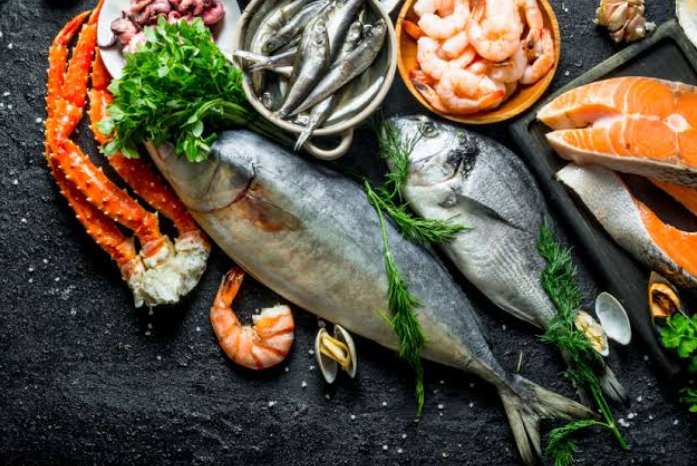
Choosing Quality Seafood for Everyday Cooking

Seafood is valued for its versatility, nutritional profile, and ability to fit into a wide range of cuisines. From quick weekday meals to restaurant-quality dishes, fish, shrimp, squid, and other seafood products can be prepared in many different ways. For households and food businesses, however, maintaining quality and convenience can sometimes be challenging when fresh seafood is not readily available.
Frozen products offer a practical solution. Modern freezing methods can help preserve seafood for longer periods while making it easier to plan meals and maintain a reliable supply. When handled and stored correctly, frozen products can become an important part of both household kitchens and professional food operations.
For consumers looking for frozen beef Hong Kong understanding product quality, storage, preparation, and cooking methods can make the overall experience much better.
Why Frozen Seafood Can Be a Practical Choice
Fresh seafood is often associated with quality, but frozen seafood can also provide significant advantages. Freezing allows seafood to be stored for longer periods and can reduce the pressure to use it immediately after purchase.
This can be particularly helpful for busy households. Instead of planning a meal around seafood that must be consumed quickly, frozen products can be kept available for future cooking according to appropriate storage guidelines.
Restaurants and food businesses may also benefit from having frozen seafood available. A reliable frozen supply can support menu planning and reduce dependence on daily availability of particular fresh products.
Understanding Different Types of Seafood
The term seafood covers a broad range of products, and each type has different characteristics.
Common categories include:
- Fish fillets
- Whole fish
- Shrimp and prawns
- Squid
- Mussels
- Scallops
- Crab
- Other shellfish
Each type may require a different preparation and cooking method. Delicate fish fillets, for example, can require less cooking time than thicker cuts, while shellfish may have specific preparation requirements.
Understanding the characteristics of each product makes it easier to choose the right cooking technique.
What to Look for When Choosing Frozen Products
Quality should be considered before purchasing any frozen food. Packaging should be intact and appropriate for frozen storage. Consumers can also check product information, including the type of seafood, net weight, storage instructions, and preparation recommendations.
Excessive ice accumulation inside packaging may indicate temperature fluctuations or prolonged storage conditions. While some ice can naturally occur with frozen products, unusual amounts may be worth considering when evaluating overall product condition.
A reliable supplier should provide clear product information and appropriate storage guidance. Transparency can help customers make more informed purchasing decisions.
The Importance of the Cold Chain
Maintaining the correct temperature from processing through transportation and storage is essential for frozen foods.
The cold chain refers to the controlled temperature conditions used to keep food frozen throughout its journey. If seafood repeatedly thaws and refreezes, quality may be affected.
For this reason, frozen seafood should be kept at appropriate freezer temperatures and handled efficiently after purchase. Consumers should avoid leaving frozen products at room temperature for extended periods.
Businesses have an even greater responsibility because larger quantities may be stored and moved regularly. Proper freezer management can help protect both product quality and food safety.
Storing Seafood at Home
Once frozen seafood reaches the home, it should be placed in the freezer promptly. Organizing products can also make it easier to monitor storage times and reduce unnecessary handling.
A useful approach is to keep newer products behind older ones so that products already in storage are used first. This simple rotation system can reduce waste.
Packaging should remain properly sealed. If the original packaging becomes damaged, appropriate food-safe packaging can help protect the product from freezer exposure.
Consumers should always follow the storage instructions provided with the product.
Safe Thawing Methods
Thawing is an important part of seafood preparation. Leaving seafood on a kitchen counter for extended periods is generally not an appropriate method.
Instead, consumers can follow the product’s recommended thawing instructions. Refrigerated thawing is often a practical option because it allows the seafood to gradually defrost under controlled conditions.
Some products can also be cooked directly from frozen, depending on the instructions and the cooking method. Following product-specific guidance can help maintain texture and safety.
Once seafood has been thawed, it should be handled promptly and should not be repeatedly frozen and thawed unless the product instructions specifically allow it.
Preparing Seafood for Cooking
Preparation requirements vary depending on the type of seafood.
Fish may need to be portioned or checked for bones. Shellfish can require cleaning or other preparation before cooking. Shrimp and prawns may be peeled or deveined depending on the recipe and personal preference.
Before preparation, hands, utensils, cutting boards, and work surfaces should be clean. Raw seafood should also be kept separate from ready-to-eat foods to reduce the possibility of cross-contamination.
These basic kitchen practices can make seafood preparation safer and more organized.
Cooking Methods That Work Well
Seafood can be prepared using many different cooking techniques.
Baking
Baking is a convenient method for fish fillets and larger portions. Seasonings, herbs, vegetables, and sauces can be added to create different flavor combinations.
Pan Cooking
Pan-frying or sautéing can provide a flavorful surface while allowing cooks to control the cooking process closely. This method works particularly well for smaller portions.
Grilling
Grilling can add a distinctive flavor and works well with suitable fish and seafood varieties. Proper temperature control is important to prevent overcooking.
Steaming
Steaming is a gentle cooking technique that can help preserve the natural characteristics of seafood while allowing additional ingredients such as ginger, herbs, or vegetables to contribute flavor.
Soups and Curries
Seafood is also excellent for soups, stews, curries, and other dishes where ingredients are combined with sauces or broths.
Avoiding Overcooking
One of the most common challenges when preparing seafood is overcooking. Different varieties require different cooking times, so following recipe guidance and monitoring the food closely can help.
Fish can become dry when exposed to excessive heat for too long, while shrimp and other seafood can develop an undesirable texture when overcooked.
Using the appropriate cooking temperature and paying attention to changes in texture can improve the final result.
Reducing Food Waste
Frozen seafood can help households manage food more efficiently because portions can often be stored until needed. However, good organization is still important.
Planning meals in advance can help determine how much seafood should be removed from storage. Using older products first and keeping freezer inventory organized can further reduce unnecessary waste.
Restaurants can apply similar principles by monitoring inventory and incorporating available products into planned menus where appropriate.
Making Seafood Part of a Balanced Menu
Seafood can be incorporated into many types of meals. It can be served with vegetables, rice, pasta, potatoes, grains, salads, or other side dishes.
Its versatility makes it suitable for different cuisines and dietary preferences. Simple seasoning can highlight the natural flavor of seafood, while marinades and sauces can create more elaborate dishes.
The key is to choose preparation methods that suit the specific seafood product and avoid unnecessary overcooking.
See also: Improving Consistency in Environmental Testing
FAQs
1. Is frozen seafood convenient for home cooking?
Yes. Frozen seafood can be stored for longer periods than many fresh products and can be useful for meal planning when stored and handled correctly.
2. How should frozen seafood be thawed?
Follow the product’s instructions. Refrigerated thawing is commonly used, while some products may be suitable for cooking directly from frozen.
3. How can seafood quality be maintained?
Maintaining the cold chain, storing products correctly, avoiding repeated thawing, using clean preparation surfaces, and following appropriate cooking instructions can help maintain quality.
Conclusion
Frozen seafood can be a convenient and versatile option for households, restaurants, and other food businesses. With proper storage, careful thawing, hygienic preparation, and suitable cooking techniques, frozen products can become a reliable part of everyday meals.
The most important factors are not simply choosing a product but also maintaining appropriate temperature conditions and following responsible food-handling practices. By paying attention to these details, cooks can enjoy a wide variety of seafood dishes while reducing waste and making meal preparation more convenient.