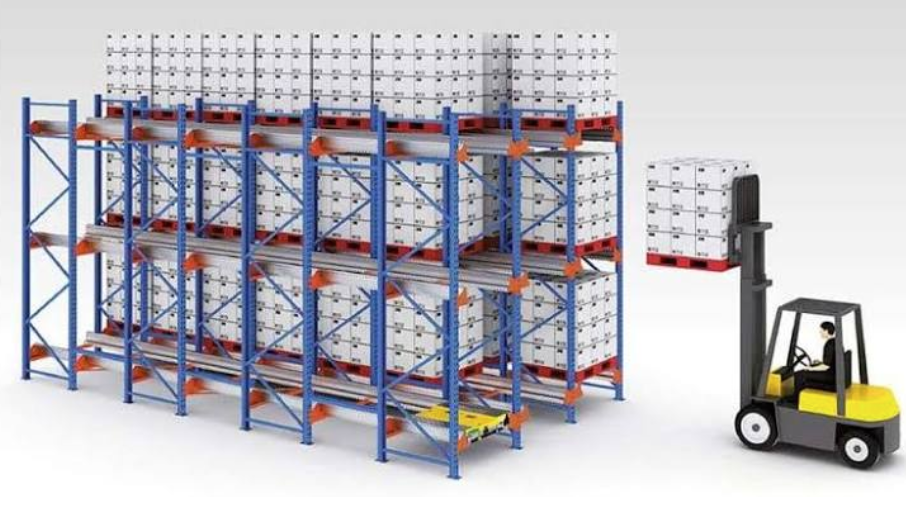
High Density Racking for Warehouses With Limited Floor Space

Introduction
Warehouses with limited floor space face a common challenge: storing more products without expanding the building. A smart storage layout can make a major difference in how much stock a warehouse can hold. High density racking is one of the most useful options for businesses that need to use their available space more efficiently. Instead of spreading pallets across a large floor area, these systems use vertical space and organized storage lanes to increase capacity. This allows warehouse operators to store more goods while keeping valuable floor space available for movement and work areas. A well-designed high density pallet racking setup can also improve stock organization and reduce wasted space between storage locations. For growing businesses, this can be a practical way to increase storage capacity without paying for a larger facility. With proper planning, high-density storage can create a safer, cleaner, and more productive warehouse environment.
How High Density Racking Saves Floor Space
Traditional warehouse storage often leaves large areas between pallet rows so forklifts and workers can move around easily. While these aisles are important, too much unused space can reduce storage capacity. High density racking solutions are designed to reduce wasted floor space while still supporting safe warehouse operations. Depending on the design, pallets can be stored deeper or placed closer together, allowing more products to fit within the same building. Vertical height can also be used to add storage levels without increasing the warehouse footprint. This makes high-density systems especially useful when a business cannot expand its facility. A properly planned warehouse pallet rack system can help create a better balance between storage capacity and access. The goal is not simply to add more racks. The goal is to use the available space in a smart way while keeping products organized and making daily warehouse tasks easier.
See also: AI in Finance: How Technology Is Changing Modern Financial Operations
Choosing the Right High Density Racking System
Every warehouse has different storage needs, so choosing the correct high density racking system is important. Businesses should consider the type of products they store, pallet sizes, product weight, turnover rate, available ceiling height, and the equipment used to move goods. Some warehouses may benefit from drive-in racking because it provides deep storage and uses fewer aisles. Others may need push-back or pallet flow systems when faster product access is important. Selective pallet racking may be better for warehouses that need direct access to many different products. The best solution depends on the operation rather than simply choosing the system with the highest storage capacity. A professional warehouse layout can help identify the best combination of rack depth, aisle width, storage levels, and handling equipment. When these factors work together, a high density racking system can increase capacity without creating unnecessary problems for workers or equipment.
Benefits of High Density Pallet Racking
One of the biggest benefits of high density pallet racking is increased storage capacity. Businesses can often store more pallets in the same building by reducing unnecessary aisles and using vertical space. This can be especially valuable for companies dealing with seasonal inventory or rapid business growth. Better use of warehouse space may also reduce the need to rent additional storage facilities. Another advantage is improved organization. When storage locations are clearly planned, workers can find and handle products more efficiently. High-density systems can also help create a cleaner warehouse layout by giving products dedicated storage areas. However, businesses should consider access requirements before choosing a system. Some high-density designs offer less direct access to individual pallets compared with standard selective racks. For this reason, the right solution should balance capacity, accessibility, product movement, and safety instead of focusing only on the number of pallets stored.
Using Vertical Space More Effectively
Many warehouses have unused space above the existing storage area. High ceilings can provide an opportunity to increase capacity without making the building larger. High density racking can take advantage of this vertical space by adding additional storage levels. Before increasing rack height, however, warehouse operators should check building conditions, floor strength, sprinkler requirements, lighting, and material-handling equipment. Forklifts must also be capable of safely reaching the required storage levels. Proper planning is essential because taller racks can change how workers and equipment move through the facility. Vertical storage should also remain easy to inspect and manage. Clear labeling can help workers identify products stored at higher levels, while suitable safety equipment can reduce operational risks. When planned correctly, vertical storage can turn previously unused warehouse space into valuable inventory capacity. This approach is particularly useful for businesses that need more storage but have little opportunity to increase their floor area.
Improving Warehouse Workflow With Better Layout
Storage capacity is important, but warehouse efficiency also depends on how easily people and equipment can move. A poorly planned high-density layout may hold many pallets but create slow picking routes or difficult forklift movements. For this reason, high density racking solutions should be planned around the warehouse workflow. Frequently accessed products can be positioned in areas that are easy to reach, while slower-moving inventory can be placed deeper in storage locations. Receiving and shipping areas should also have enough room for safe movement and temporary staging. A smart layout can reduce unnecessary travel and help workers complete tasks faster. Rack placement should allow suitable aisle space for the forklifts and equipment used in the warehouse. Good lighting, floor markings, signs, and product labels can further improve navigation. By combining storage density with an efficient workflow, businesses can increase capacity without making daily operations harder.
Safety Considerations for High Density Storage
Safety should always be a major part of warehouse rack planning. A warehouse pallet rack system must be designed to support the expected pallet loads and operating conditions. Rack components should be suitable for the products, pallet sizes, and handling equipment used by the business. Workers should also receive proper training on loading, unloading, forklift operation, and safe movement around storage areas. Damaged rack components should be reported and inspected quickly rather than ignored. Clear aisles and proper load placement can also help reduce the chance of accidents. Warehouse managers should follow applicable local safety rules and manufacturer instructions when installing and using high-density racks. Regular inspections can identify problems before they become serious. Safety does not need to reduce storage efficiency. In fact, a well-organized warehouse can make it easier for workers to move, locate products, and perform their jobs safely. The best high-density design combines maximum practical capacity with reliable access and safe operation.
Conclusion
For warehouses with limited floor space, increasing storage capacity requires careful planning rather than simply adding more racks. High density racking provides a practical way to use both floor and vertical space more effectively. A suitable high density racking system can help businesses store more pallets, improve organization, and make better use of existing facilities. Choosing between different high density racking solutions should depend on product type, inventory movement, pallet weight, forklift requirements, and access needs. Businesses should also consider safety, workflow, ceiling height, and future growth before making a final decision. A properly designed high density pallet racking solution can support higher storage capacity while keeping the warehouse organized and productive. With the right layout and regular maintenance, high-density storage can help businesses get greater value from their existing warehouse space without immediately needing a larger building.