What’s the Difference Between an Accountant and a Bookkeeper?

Plenty of business owners use the words accountant and bookkeeper as if they mean the same thing, and assume they are paying for one service. In reality they are two distinct roles that work best together. One focuses on recording the numbers accurately, and the other focuses on interpreting them and giving you advice. Knowing the difference helps you hire the right person at the right time, and often saves you money. If you are searching for an accountant North Sydney business owners trust, or wondering whether a bookkeeper is what you actually need, here is a plain-English breakdown.
What Does a Bookkeeper Do?
A bookkeeper handles the day-to-day recording of your finances. That means entering transactions, reconciling your bank feeds, managing accounts payable and receivable, processing payroll, and tracking expenses. Their job is to keep your records tidy, accurate, and up to date throughout the year. Think of the bookkeeper as the person who keeps the financial engine running smoothly, so that at any point in time your books reflect what is really happening in the business.
What Does an Accountant Do?
An accountant works at a higher level. Rather than simply recording the numbers, they interpret them. Accountants prepare and lodge tax returns, provide tax planning, advise on business structure, prepare financial statements, and offer strategic guidance to help your business grow. They take professional responsibility for the advice they give and the returns they lodge. In short, an accountant turns your financial records into decisions, and helps you understand what the numbers actually mean for your future.
The Key Differences at a Glance
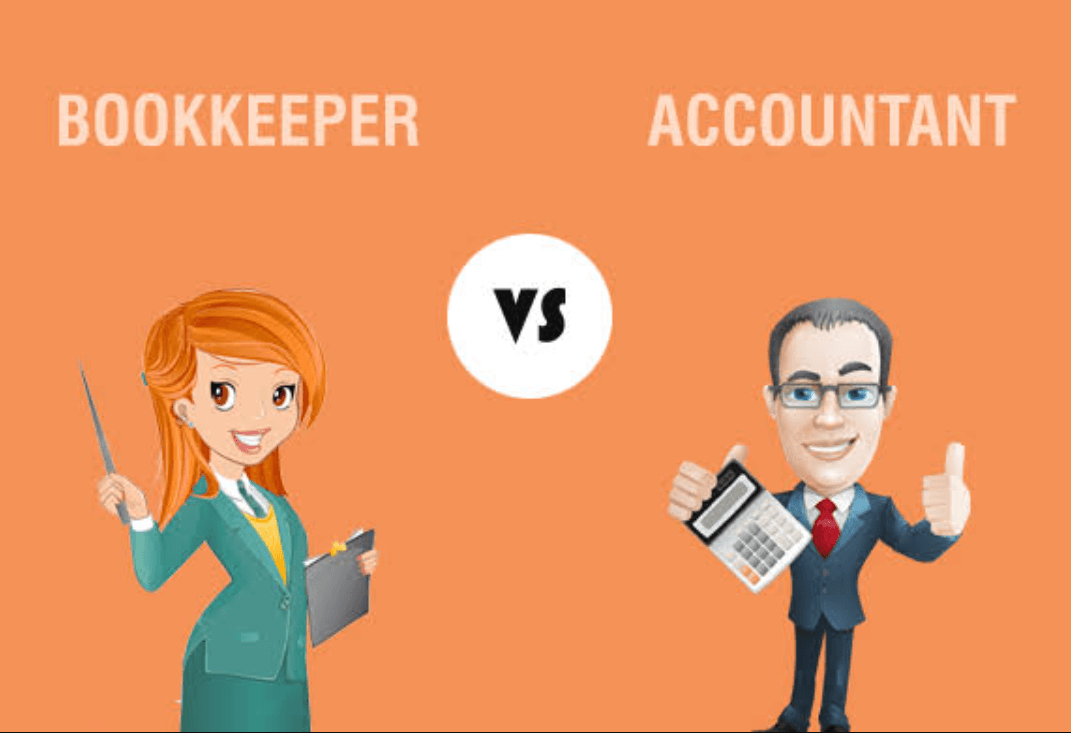
The simplest way to see the distinction is to compare the two side by side. A bookkeeper focuses on recording, while an accountant North Sydney focuses on interpreting and advising. Their qualifications differ too, with bookkeepers often registered BAS agents and accountants being qualified or chartered professionals and registered tax agents. Bookkeepers usually work with you throughout the year, whereas accountants tend to be more periodic and busiest at tax time. Bookkeeping generally comes at a lower hourly rate, while accountants charge higher, advisory-level fees. Finally, a bookkeeper is responsible for the accuracy of your data, and an accountant is responsible for strategic advice and lodgement.
Do the Roles Overlap?
Yes, the line is not always sharp. Many modern bookkeepers do far more than basic data entry, and some accountants offer bookkeeping as part of their service. Cloud software like Xero has blurred the boundary even further, since both roles can work in the same file. The important thing to understand is that these roles complement each other rather than compete. One keeps the records clean, and the other makes sense of them.
Which One Does Your Business Need?
The right choice depends on what you are trying to achieve. If you need your day-to-day records kept accurate and current, a bookkeeper is the answer. If you need your tax lodged, advice on your business structure, or strategic planning for growth, you need an accountant. If you want your records kept clean all year and the bigger thinking done at the top, you need both. Matching the role to your actual need is what keeps you from overpaying or missing something important.
Why Many Businesses Use Both
For established businesses, using both is usually the smartest setup. The bookkeeper keeps the data clean and current, which means the accountant has accurate figures to work from. That makes the accountant’s advice sharper, and often cheaper, because there is less mess to untangle before the real work begins. Rather than choosing one over the other, most successful businesses treat it as a partnership where each role plays to its strengths.
How to Choose the Right One in North Sydney
When you are ready to hire, a few checks will help you choose well. For a bookkeeper, confirm they are a registered BAS agent if they will be lodging your activity statements. For an accountant, look for a registered tax agent or chartered accountant. In both cases, seek out someone with experience in your industry, and make sure they work comfortably with the software you use. Getting these basics right means smoother compliance and better advice from day one.
See also: What Makes a Conference Room Genuinely Effective for Business Meetings
Frequently Asked Questions
Can a bookkeeper do my tax return?
Generally no. Lodging tax returns requires a registered tax agent, which is the accountant’s domain. A registered BAS agent can help with activity statements, but the tax return itself is an accountant’s job.
Is an accountant more expensive than a bookkeeper?
Usually yes. Accountants charge higher, advisory-level fees, while bookkeepers work at a lower hourly rate. The two are best compared by the different value each provides rather than by price alone.
Do I need both a bookkeeper and an accountant?
Many businesses do. A bookkeeper keeps your records accurate throughout the year, and an accountant handles tax, structure, and strategy. Together they cover both the recording and the thinking.
Can one person do both roles?
Sometimes. Some accountants offer bookkeeping, and some bookkeepers have broader skills. For a small, simple business one person may cover both, but as you grow the roles tend to separate.
Key Takeaways
The difference comes down to this. A bookkeeper records your numbers, and an accountant interprets them and advises you. Many businesses benefit from having both, working together so the books stay clean and the strategy stays sharp. If you are not sure which mix is right for your situation, have a quick chat with a local accountant and work out exactly what your business needs.