Custom Socks for Gyms and Fitness Studios: What Buyers Should Consider

Gyms and fitness studios often need merchandise that feels useful, not decorative. Socks can work well because they are practical, easy to size, and suitable for daily workouts, studio classes, welcome packs, and member gifts.
However, fitness socks need more planning than casual socks. Comfort, grip, breathability, stretch, and durability all affect whether members will actually use them.
Start With the Activity
Different fitness activities need different sock features. A general gym sock may need breathability and cushioning. A yoga or Pilates sock may need grip. A running-focused sock may need moisture control and a secure fit.
Before choosing the design, the buyer should decide whether the socks are for training, studio classes, member gifts, or branded merchandise.
For fitness brands ordering custom socks with logo for gyms, the product should match the activity first and the logo second.
Material and Breathability Matter
Fitness socks should not trap too much moisture. Cotton can feel soft, but high cotton content may hold sweat longer. Polyester, nylon, and spandex blends can improve drying, stretch, and durability.
A practical athletic sock may use a blend with synthetic support fibers and 2–5% spandex for fit. The exact blend depends on thickness, cushioning, and activity level.
Cushioning Should Match Footwear
Gym members may wear sneakers, training shoes, cycling shoes, or studio footwear. Too much cushioning can make shoes tight. Too little cushioning can feel thin during workouts.
A light cushion under the sole can work for general gym use. A thicker cushioned sock may be better for high-impact training, but it may not work for every shoe.
Sock Height Changes the Use Case
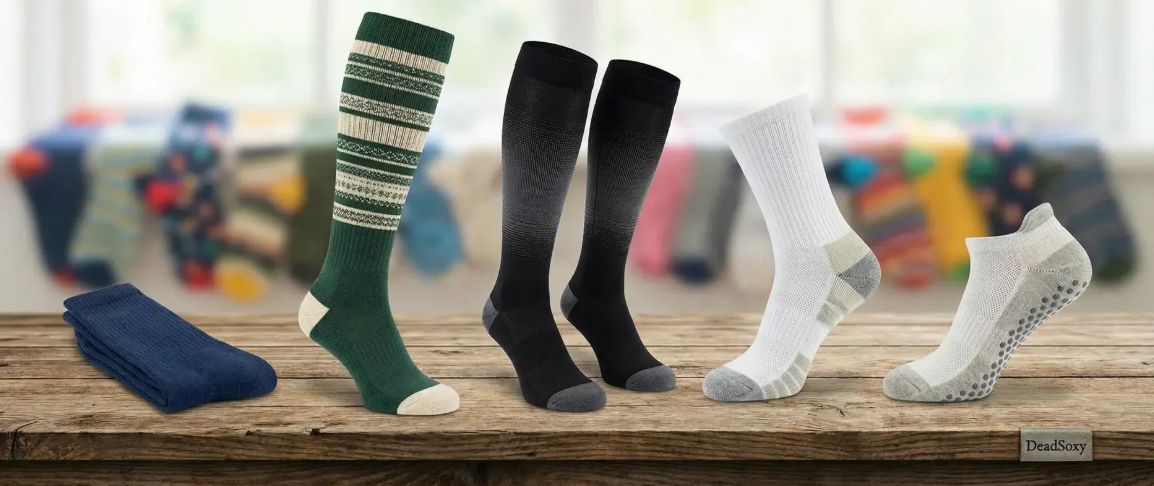
No-show socks feel minimal but offer less visible branding. Ankle socks are useful for general fitness and warm weather. Crew socks are popular for gym styling and provide more logo space. Knee-high socks may be used for specific sports or performance looks.
For fitness studios planning socks alongside other branded accessories, working with Fastsewing can help keep the product style, colors, and logo direction more consistent.
Common Buying Mistakes
One mistake is choosing socks only by logo visibility. A sock with a large logo but poor comfort will not be used often.
Another mistake is using a thick sock for every fitness activity. Some members may prefer lighter socks.
A third mistake is ignoring grip. For yoga, Pilates, or barre, grip features may matter more than logo size.
See also: Automate or Die: Why Manual Receipts Are Holding Back Your Trade Business
Practical Checklist
Before ordering gym socks, check:
- What activity will the socks support?
- Should the sock include grip?
- Is the material breathable enough?
- Does the cushioning fit the footwear?
- Is the logo visible without affecting comfort?
Conclusion
Custom socks can be strong merchandise for gyms and fitness studios, but they need to be designed around movement. The best sock should feel comfortable during real activity, not just look good in a product photo.
When material, thickness, grip, and sock height are chosen correctly, the socks become useful gear members may wear repeatedly.