Understanding Battery Shapes and Their Everyday Applications

Batteries come in many shapes and sizes, and their physical design is closely connected to the devices they power. From compact electronics to security equipment and household accessories, different devices require different power solutions. Understanding the differences between battery formats can make it easier to select a suitable option and use it correctly.
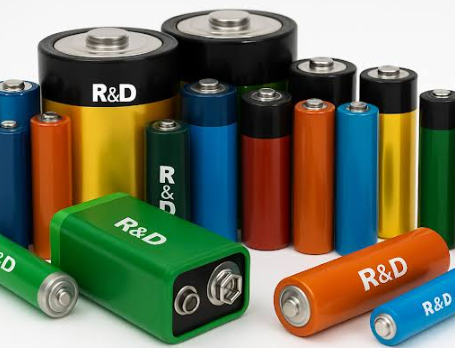
One important category is cylindrical batteries. Their familiar shape makes them practical for a wide range of applications, while different chemistries and sizes allow manufacturers to develop batteries for specific power requirements. When selecting a battery, consumers should consider more than physical dimensions. Voltage, chemistry, capacity, operating conditions, shelf life, and device compatibility can all influence performance.
Why Battery Shape Matters
The physical form of a battery is not simply a matter of appearance. Its dimensions determine whether it can fit securely inside a particular device.
Cylindrical designs are widely used because they can provide a practical balance between size, durability, and energy storage. Devices are often designed around specific battery dimensions, which means using an alternative shape may not be possible even when the electrical characteristics appear similar.
For this reason, checking the device manufacturer’s recommended battery specification is an important first step.
Common Uses for Cylindrical Designs
Cylindrical formats can be found in many everyday and specialty products. Household electronics, cameras, remote controls, lighting equipment, security devices, and other portable products may use batteries with cylindrical construction.
The exact battery required depends on the device. Some products need compact high-voltage cells, while others require a larger format designed for different operating conditions.
A practical example is equipment that needs reliable power over an extended period. Security cameras, photographic equipment, and remote controls can have different energy demands, so choosing the correct battery chemistry and size remains important.
Battery Chemistry Makes a Difference
Two batteries can have a similar physical shape while using different internal chemistries. This can significantly affect how they perform.
Common battery technologies include alkaline, lithium, and rechargeable chemistries. Each has characteristics that make it suitable for particular applications.
Alkaline batteries are commonly used in household electronics and other everyday devices. Lithium batteries can be useful when long operating life, low weight, or performance across certain temperature conditions is important. Rechargeable technologies, meanwhile, are designed for repeated charging and can be useful for devices that are used frequently.
Consumers should therefore avoid selecting a battery based only on size.
Checking Voltage and Compatibility
Voltage is one of the most important specifications to check before replacing a battery. A battery that physically fits a device may not necessarily be appropriate for its electrical requirements.
The device manual, original battery label, or manufacturer’s specifications can provide useful information. If a product requires a particular voltage or battery type, that specification should be followed.
Using the correct battery can help reduce the risk of poor performance or compatibility problems.
Considering Energy Requirements
Different devices consume energy at different rates. A remote control may use relatively little power, while a flash unit, camera, or security device may demand more energy during operation.
When selecting a battery, it is useful to consider how frequently the device is used and how much power it normally requires.
For occasional-use equipment, shelf life may be an important consideration. For frequently used electronics, operating duration and replacement convenience may matter more.
Understanding the intended application helps narrow down the appropriate battery type.
Single-Use and Rechargeable Options
Another important decision is whether to use a disposable or rechargeable battery.
Single-use batteries are convenient because they can be installed and replaced without requiring charging equipment. They may be suitable for devices that are used occasionally or for situations where quick replacement is important.
Rechargeable batteries can make sense for devices that are used repeatedly. Instead of replacing the cell after its energy is depleted, users can recharge it and continue using it.
Neither option is universally suitable for every device. Compatibility, frequency of use, charging availability, cost, and convenience should all be considered.
Storage and Handling
Proper storage can help maintain battery condition before use. Batteries should generally be stored according to the manufacturer’s recommendations and kept away from excessive heat, moisture, and direct environmental exposure.
Users should also avoid mixing old and new batteries in devices that require multiple cells. Mixing different battery types or chemistries can also create performance issues.
If a device will not be used for a long period, checking the manufacturer’s guidance about battery removal can help reduce the risk of leakage or other problems.
Why Quality Matters
Battery quality can affect both consistency and reliability. A well-made battery should be manufactured according to appropriate specifications and provide predictable performance for its intended application.
For consumers, purchasing from an established battery supplier can make it easier to identify the correct product specifications. Product descriptions can also help users compare battery formats, chemistry, and intended applications before making a purchase.
GP Batteries, for example, provides a range of cylindrical formats designed for different applications. Its collection includes products such as lithium AA and AAA batteries, CR2 batteries, and other cylindrical options. cylindrical cells can therefore be considered as part of a broader selection process based on device requirements.
Choosing the Right Option for Your Device
A simple checklist can make battery selection easier.
First, identify the exact battery size required by the device. Next, check the voltage and chemistry recommended by the manufacturer. Then consider how frequently the device is used and whether a rechargeable option is appropriate.
It is also useful to think about the environment in which the device operates. Equipment used outdoors, for example, may have different requirements from electronics kept indoors.
Finally, check the battery’s expiration or recommended storage information before purchasing large quantities.
Responsible Battery Use
Batteries should be handled responsibly after use. Instead of placing used batteries into unsuitable waste streams, consumers should follow local recycling and disposal guidelines.
Proper disposal helps reduce environmental impact and supports the recovery of materials where recycling facilities are available.
Users should also avoid opening, crushing, puncturing, or otherwise damaging batteries. Different battery chemistries have different handling requirements, so manufacturer instructions should always be followed.
Three Common Questions
1. Are all cylindrical batteries interchangeable?
No. Cylindrical batteries come in different sizes, voltages, and chemistries. A battery should only be used when its specifications match the requirements of the device.
2. Should I choose lithium or alkaline batteries?
The appropriate choice depends on the device and its operating requirements. Lithium batteries may offer advantages for certain applications, while alkaline batteries are widely used for everyday electronics. Always check the device manufacturer’s recommendations.
3. How should unused batteries be stored?
Unused batteries should generally be kept in a cool, dry environment and protected from excessive heat and moisture. Following the manufacturer’s storage instructions is the safest approach.
Conclusion
Choosing the right battery requires more than matching a familiar shape. Size, voltage, chemistry, energy requirements, usage frequency, and storage conditions can all affect whether a battery is suitable for a particular device.
Cylindrical designs remain useful across many types of electronics because they are available in different formats and technologies. By checking device specifications carefully and selecting a battery designed for the intended application, consumers can support reliable operation and avoid unnecessary compatibility problems.